

As Youth Scotland’s George Cherrie prepares to retire at the end of October 2026, he reflects on 20 years with as Senior Awards Development Worker. In his blog, George looks back on his time with the organisation, sharing some of the highlights and memorable moments from his two decades supporting young people and youth work across Scotland.
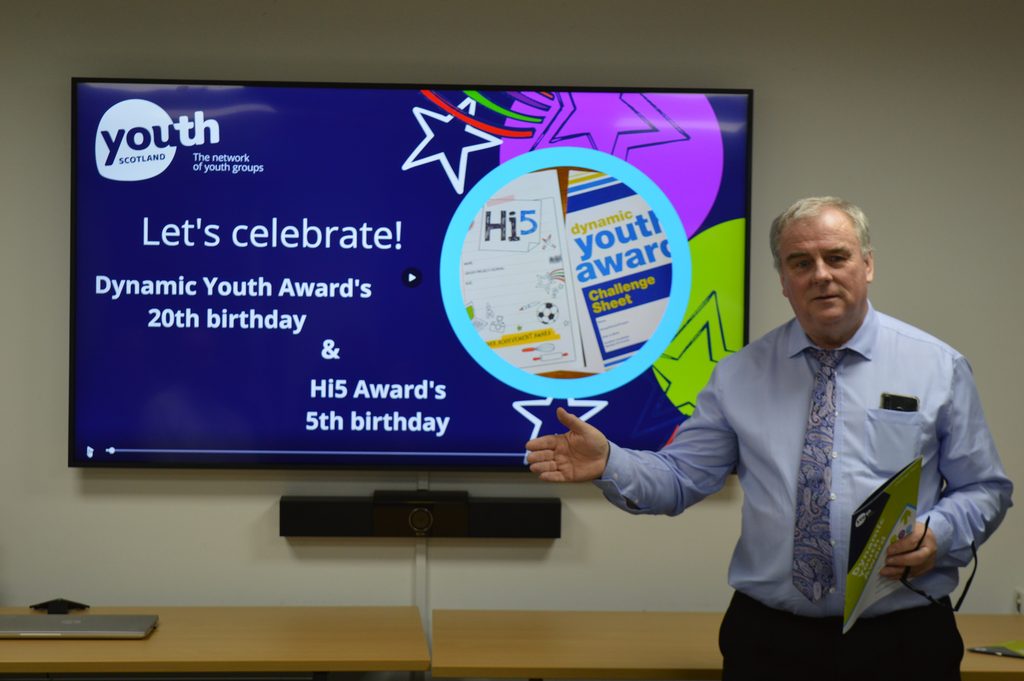
After more than 20 years with Youth Scotland, I am proud to look back on how the organisation’s awards have grown from relatively unknown youth work awards into nationally recognised, respected and valued qualifications.
My journey into youth work began in 2001 following a career change. I worked with Youth 1st and Fife Council, and in 2005 I gained a Postgraduate Diploma in Community Education from the University of Dundee. In August of that year, I joined Youth Scotland as the Youth Achievement Awards Development Worker.
The post was initially funded for two years, and I was told that if I could make the awards self-sustaining, it would continue. Twenty years later, the awards are still thriving and have become a respected part of the youth work landscape across Scotland.
Youth-led learning
The success of the Youth Achievement Awards lies in a simple but powerful idea. Rather than following a set programme of activities, young people take part in a process of planning, doing and reviewing. They identify their own goals, work towards them through activities of their choice, and reflect on what they have learned. This flexibility allows the awards to be delivered in a wide variety of settings and to recognise achievements that are meaningful to each individual.
The awards were developed to formally recognise the achievements, skills and learning gained through participation and volunteering in youth work.
Building on the success of the Youth Achievement Awards, which are aimed at young people aged 14 and over, the Dynamic Youth Awards were introduced in 2005 for young people aged 10 and above.
In 2017, the Hi5 Award was developed for children aged five and over, ensuring that young people of all ages within the Youth Scotland membership could access an accredited learning opportunity.
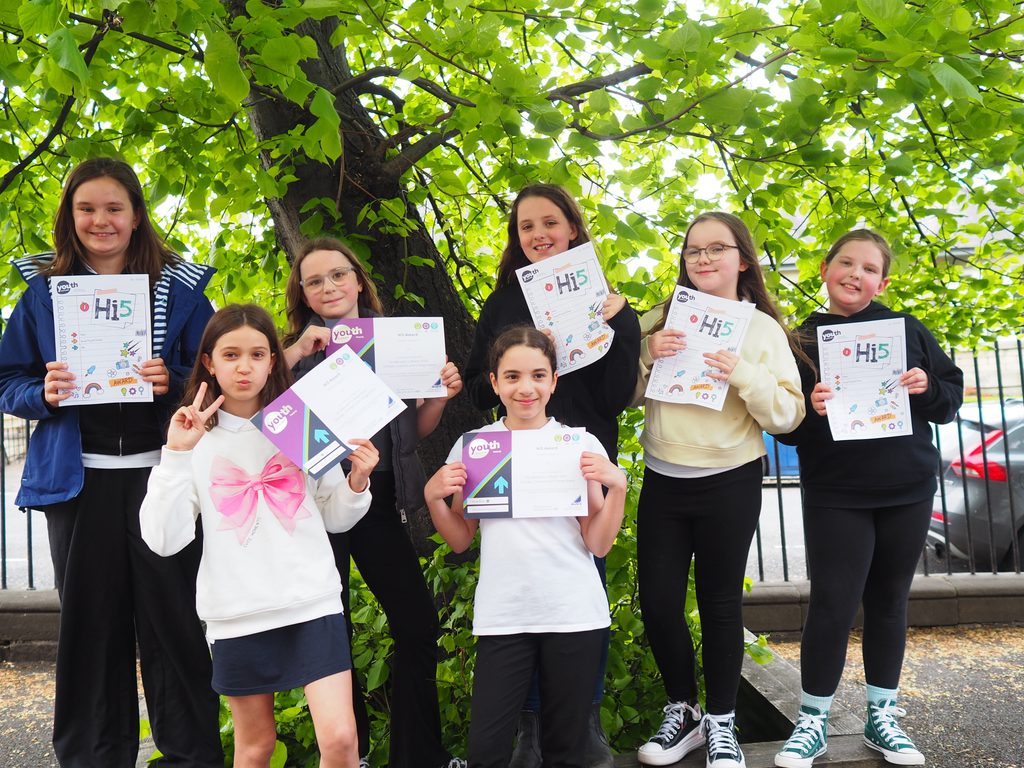
Ensuring all learning counts
Throughout my time at Youth Scotland, I have been driven by a commitment to ensuring that young people’s achievements, skills and learning are recognised and valued, regardless of where or how this takes place. One of the most significant developments in achieving this has been the credit rating of our awards on the Scottish Credit and Qualifications Framework (SCQF).
The SCQF provides a common framework that recognises learning at different levels and helps connect formal and non-formal learning.
Recognition on the framework demonstrates that learning gained through Youth Scotland awards can be understood and valued alongside more traditional qualifications. For young people, this recognition is important. It validates the skills and knowledge they gain through their lived experiences and shows that their achievements matter.
Being credit rated on the SCQF also helps young people, parents, employers, colleges and universities understand the level of learning achieved. It gives confidence in the quality and value of the awards and ensures that through the robust but supportive quality assurance processes agreed with Qualifications Scotland, our credit rating body, the awards are genuinely earned.
The skills employers want
For many young people, particularly those who may not flourish in traditional academic environments, our awards provide an alternative pathway to success. They offer evidence of leadership, teamwork, communication, resilience and problem-solving skills, qualities that employers consistently tell us they value.
Throughout my career, I have seen first-hand the difference that recognition can make. For many young people, achieving our SCQF credit rated awards has improved confidence, encouraged better engagement with their learning, supported applications for employment, further and higher education, and opened doors to volunteering opportunities. The awards are much more than certificates; they represent effort, commitment, resilience and personal growth.
As education and youth work continue to evolve in Scotland, recognising learning beyond the classroom and formal curriculum remains as important as ever.
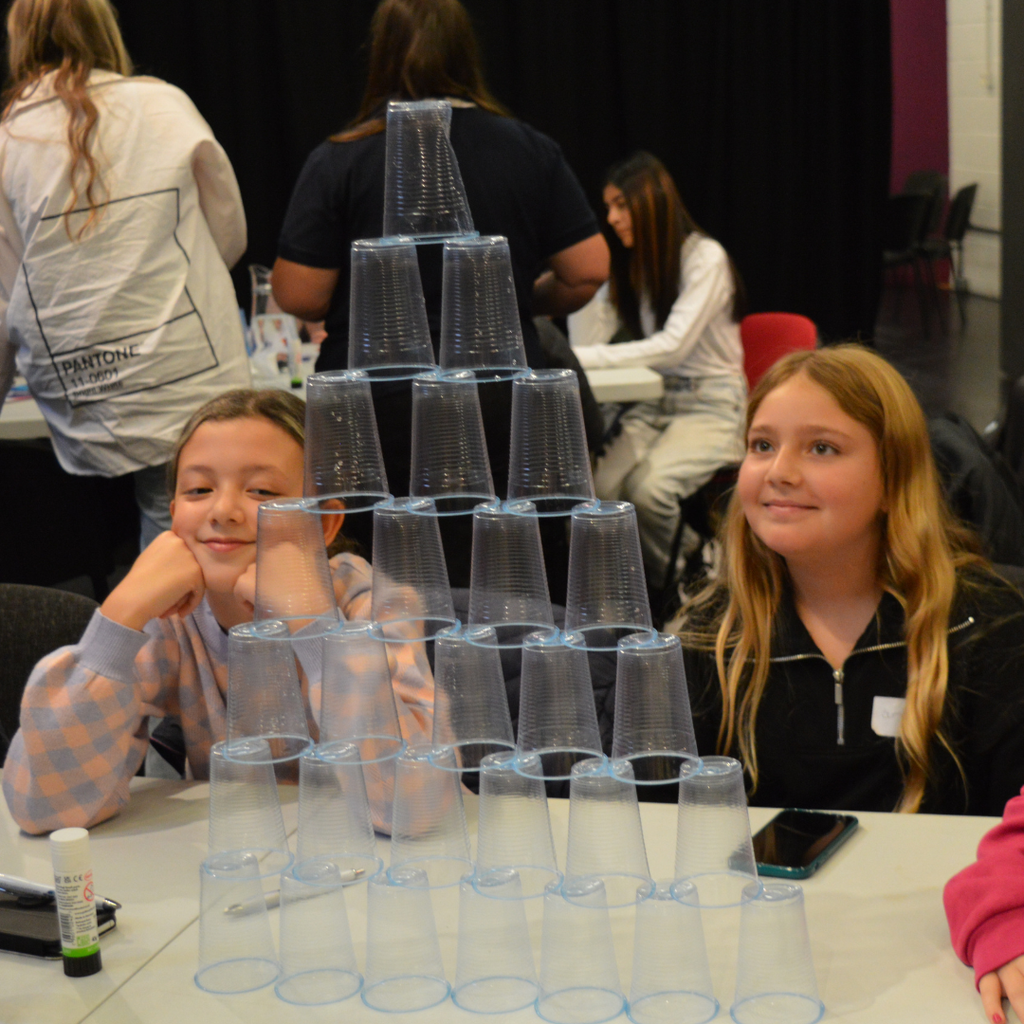
Reflecting on my time at Youth Scotland, I am immensely proud of the role our awards have played in helping young people gain recognition for their achievements and personal development and my part in that.
A truly rewarding journey
Finally, I feel incredibly privileged to have helped create opportunities for so many young people across Scotland to gain recognition for their achievements and personal development.
I have also been fortunate to work alongside so many dedicated youth workers, community workers, teachers and other practitioners.
To everyone who has supported, encouraged and inspired me over the years, thank you. Your friendship and commitment have made my journey truly rewarding.
For more information on the youth achievement awards, visit Awards – Youth Scotland