


Currie Community High School is a fully comprehensive, non-denominational high school situated in the South West of Edinburgh. We offer a variety of courses covering a wide range of subjects from the Broad General Education (BGE) in S1-3 through to Level 7 (Advanced Highers) through the Senior Phase. In addition, we offer a large range of wider opportunities within and beyond the school day. Currie was designated as a Community High School in 1997 and the school’s extensive facilities are shared with the local community.
The school joined the SCQF School Ambassador programme in April 2019, this is our journey so far…
Our aim is to provide opportunities for all learners to achieve qualifications, not just traditional courses. After our training from the SCQF, we hit the ground running and appointed staff Ambassadors across each department in the school.
We have a three-year improvement plan and are starting to work with our S3 learners on the importance of understanding the qualifications on offer at various SCQF levels. This requires a change of mindset as it is no longer a given that learners will follow the National 4/5>Higher>Advanced Higher route.
We have introduced additional qualifications at SCQF levels 5 and 6; for example, the National Progression Awards (NPA) in Cyber Security and PC Passport at levels 5 and 6; the Skills for Work Laboratory Science at level 5; and we have a number of pupils undertaking Foundation Apprenticeships at SCQF level 6 in partnership with Edinburgh College.
At the heart of our Creativity & Employability Strategy (HGIOS 4 and formerly Developing the Young Workforce (DYW)), we are using the SCQF to inform our learner pathways and these are becoming available on our school website for both the BGE and Senior Phase. This is one of the main drivers in shaping Currie’s 3-18 learning journey, providing a focus on developing skills, industry-recognised qualifications, embedding the Work Placement and Career Education Standards, and STEM, whilst being a strategy for raising attainment and embedding the 15-24 Learner Journey.
Currie is developing a flexible curriculum and opportunities for individual learner pathways, to gain the skills and experiences that can influence our learners’ positive destination.

The Senior Phase aims to offer our learners the opportunity to extend and deepen their learning as they begin to build a portfolio of qualifications. These qualifications will recognise individual learning, while enabling them to continue to develop skills and offering pathways to support positive destinations – whether that is Further Education, Higher Education or employment.
In planning our Senior Phase, we also take account of our local context. Attainment levels at Currie are consistently well above national and city averages at every stage and the stay-on rate post-16 is very high, with many of our learners going on to study in Further and Higher Education. It is important that we are able to support these aspirations.
The range of courses on offer to our learners in the Senior Phase has been extended and many of these are on the SCQF: Sports Leaders awards at levels 4 and 5; participation in the JET Academy leads to the Employability Award at level 4; completion of the Prince’s Trust Achieve leads to a level 4 award in Personal Development; Creative Industries awards at level 6 and Business with Information Technology awards at levels 5 and 6.
We have also started working with parents on the relevance and importance of the SCQF via Parent Council meetings and materials such as the parent leaflet, Framework diagram postcard and Old v New leaflets provided by the SCQF Partnership. At all parents’ evenings, these resources have and continue to be invaluable, in consolidating knowledge and understanding of learner opportunities, now and in the future, amongst our parent body.
Our next steps as an Ambassador School are:
- to continue to enhance parents and information evenings on SCQF qualifications and levels; including work with a range of ambassadors
- to raise awareness with all learners, starting in S3 as part of WOW (World of Work) Week, each year, as they start the process through their courses and course choice
- as part of improvement planning, departments continue to explore the opportunity for alternative courses for learners, leading to progression into the next stage of their learning, life or work
- to develop a communications strategy to engage all stakeholders with the progression and opportunity within the SCQF, including the school website and noticeboards.
For more information on Currie CHS visit the website and twitter accounts @curriechs_dyw & @curriechs
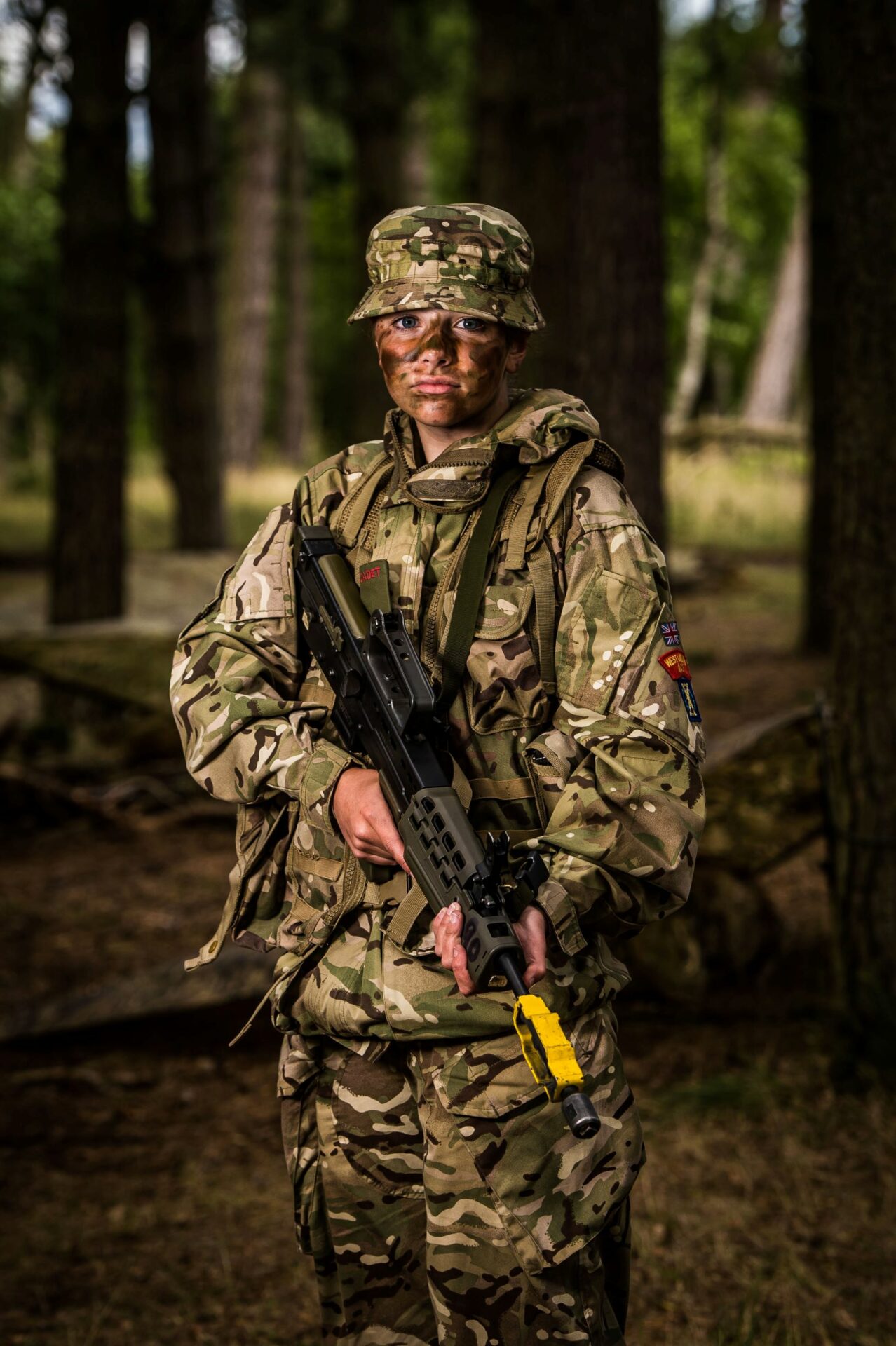
Equipping young people with the skills, training, experience and employer-recognised qualifications to succeed in the world of work might not be something most people associate with the Army Cadets, but since 2011 that’s exactly what Lowland Reserve Forces and Cadet Association – an agency of the Ministry of Defence tasked with supporting the Armed Forces Reserve and Cadet Organisations in southern Scotland – has been doing.
We have been working with Education Scotland to develop a suite of recognised qualifications which formalises the training young people receive and equips them with qualifications that are recognised and valued by education and employers.
Training has been mapped to SQA qualifications at SCQF levels 4, 5 and 6 – the same level of learning as National 4 and 5 and Highers – in subjects such as leadership, teamwork, citizenship, and aviation.
The achievement of credit-rated SQA-recognised qualifications boosts the education and employment prospects for Cadets, the vast majority of which pursue civilian careers.
Allied to this, Lowland RFCA has developed the concept of school-based Cadet activity and rolled out eight “Linked Detachments” throughout Scotland which enable young people to benefit from the Cadet Experience within the school syllabus and during the school week, in response to demand from school leaders.
Rhonwen Paterson, an Army Cadet Force Sergeant based in Dumfries and Galloway, is considering a career as a Scottish Ambulance paramedic after university.
The S6 pupil at Moffat Academy first heard about the Army Cadets through her school which was setting up a Linked Detachment. But, due to the programme’s popularity, Rhonwen feared she may not be able to achieve her goal.
“I heard about the Linked Detachment and how I could do Army Cadets for a double period on a Friday,” she explained. “But I was gutted when I was told I couldn’t join because the course was over-subscribed but I managed to persuade them to take me on. I wanted to join the Linked Detachment because it was something completely different to what I had done before and I thought it would challenge me and help me to improve.”
Through the Army Cadets Rhonwen has completed National 4 (SCQF level 4) in Uniformed and Emergency Services over 18 months at school, and a National 5 (SCQF level 5) award in Leadership at annual camp earlier this year.
The level 4 Uniformed and Emergency services saw Rhonwen learning more about 999 services, undertaking practical tasks to develop employability skills, as well as volunteering at Dowding House, a sheltered housing complex for Royal Air Force veterans.
Rhonwen has also picked up employer-recognised qualifications in First Aid and recently put her training into action when she came across a road traffic accident while on a trip to Malawi.
She said: “I was the only person in the group of adults and young people with the training, skills and confidence to treat a young girl from the local village – who suffered head injuries and a broken leg – until the emergency services arrived. I like to help people and doing the National 4 in Uniformed and Emergency Services has inspired me to pursue a career as a paramedic. I like the different experiences and environments that you get and the ability to help people in their greatest need.
“The qualifications are recognised by employers which will hopefully help me to gain entry to university to study paramedic science in 2020. I had zero confidence before I joined the Army Cadets but now I am able to stand up and give presentations to hundreds of people and to head teachers’ conferences.”
To find out more, visit www.lowlandrfca.org.uk/cadet-qualifications
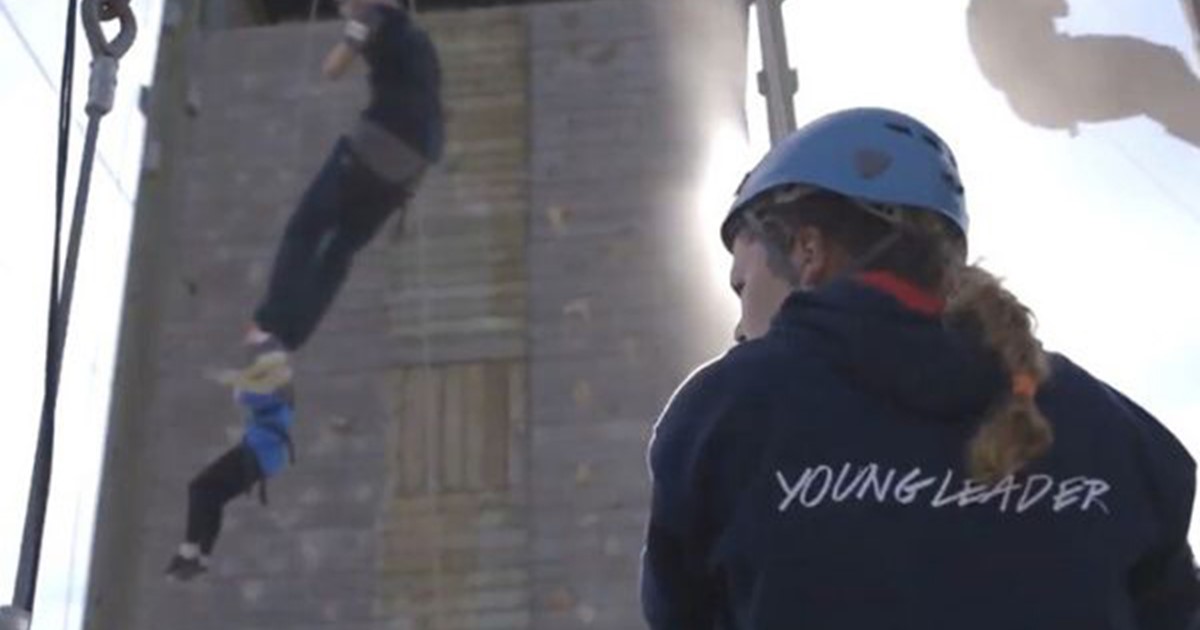
Is that on the SCQF…? is a series of blogs where we look at some of the more unusual programmes that are on the SCQF. Read on to find out more about the ILM Young Leaders Award by Kerry Bamber, Business Development Manager Scotland at City & Guilds, ILM and Digitalme.
ILM is part of the City and Guilds Group specialising in the areas of leadership & management. Working with organisations of all sizes to develop and train the leaders & managers of the future, we qualify 70,000 leaders and managers every year helping them develop the critical skills to succeed in the workplace.
Our ILM management programmes give customers the freedom to focus on those leadership skills they most urgently need, whether that’s decision-making, teamwork, creativity, strategic planning, or anything else, and develop skills that are applicable to the reality of daily working life.
As the UK’s leading provider of specialist leadership qualifications we know we have a big responsibility to deliver programmes that have real impact. Part of that means we’re always looking for ways we can keep offering both organisations and learners the best possible leadership and management training. Ensuring our customers, and their customers can trust us is what makes us unique, and is why organisations choose us to be their partners. In an ever-changing environment, it’s particularly important that we constantly assess the service we provide and are committed to meeting our clients’ needs – whatever their circumstances. It is this approach which led to the development of the ILM SCQF level 5 Young Leaders Award.
Working with young people, we know that there are some skills you can learn that are more life changing than others. Among the most vital of those, is leadership, and here at ILM, we’re the UK’s leadership experts.
The ILM SCQF Level 5 Award is ideal for individuals aged between 14 and 24 years who are actively engaged in structured learning within a group or community. The aim of the award is to help young learners develop a range of skills and behaviours in leadership, self-management and mentoring, alongside an appreciation of the benefits that can be gained through social action (volunteering). These qualifications will also provide progression opportunities to other ILM qualifications.
Leadership skills dramatically improve educational prospects and enhance career progression too. Providers working with ILM to deliver the Young Leaders Award, present a proven way to teach these vital skills. Other benefits for individuals are numerous, and young people who know how to lead really stand out among their peers. Employers have told us that knowing a job candidate has proven leadership potential gives them a unique edge over the competition.
Universities and employers tell us that: “Simply put, the Young Leaders Award is a nationally-recognised qualification that makes your students more attractive to universities and employers alike, while enhancing the reputation of your school or college.”
Learners said they were able to apply the leadership and management skills learnt through ILM to their day-to-day job role and would recommend our qualifications, programmes and/or apprenticeships.
Search the SCQF Database for more information on programmes that are on the SCQF.
Download a pdf version of this blog
Being an SCQF Ambassador School has allowed us to expand our curriculum offer in the Senior Phase and develop a curriculum that meets the needs of our pupils.

Our journey started by training all our Principal Teachers and Senior Leadership Team on the SCQF framework and raising awareness by using the resources at Parent information evenings. Now we have an SCQF day, SCQF/Gala Skills Ambassadors in Primary 7, S1 and S6 and a staff, pupil and community working group that drives forward change. Working in collaboration with Borders College, TD1 Youth Hub, Works + and Community Learning and Development (CLD) we have introduced many new courses, stretching to Level 7 in the SCQF framework and we are continuing to improve our offer every session.
There are so many exciting things that I want to share with you but for this first post, I will share three examples from our S4 group who are benefitting from our school being an SCQF Ambassador School.

Spark programme is a pilot project working with a target group of S4 pupils over 3 months, designed by TD1 Youth Hub and Works+ in partnership with our school, to work closely with participants to help them achieve a minimum of 5 SCQF Level 5 qualifications. The programme is split into 3 parts:
- One whole week of intensive work developing the Gala Skills with an afternoon focusing on softer skills outwith their comfort zones.
- Weekly mentoring following the Steps to Success programme, developing targets and supporting pupils to achieve their targets.
- Monthly gatherings to catch up and develop an entrepreneurial idea or become involved in another project working with the community.
Participation in this programme means pupils like Oscar will achieve a Dynamic Youth Award, Saltire Volunteering award and work towards a Youth Achievement Award.
Oscar says: “This project has already got me to engage with school a bit more. It gives me more SCQF points and an added bonus is I get help with subjects if I need it. This week, I start my mentoring with Doug, and he will make sure I am keeping up with the work for the 6 Nat 5s that I am studying. In the first part of the programme, the activities in the afternoon were great and I developed my teamwork skills. I really enjoyed the computer programming in the morning. Next year I want to get some Highers then leave after S5 to work and then join the Army when I am a bit older. I think being an SCQF Ambassador School will help me on this journey.”
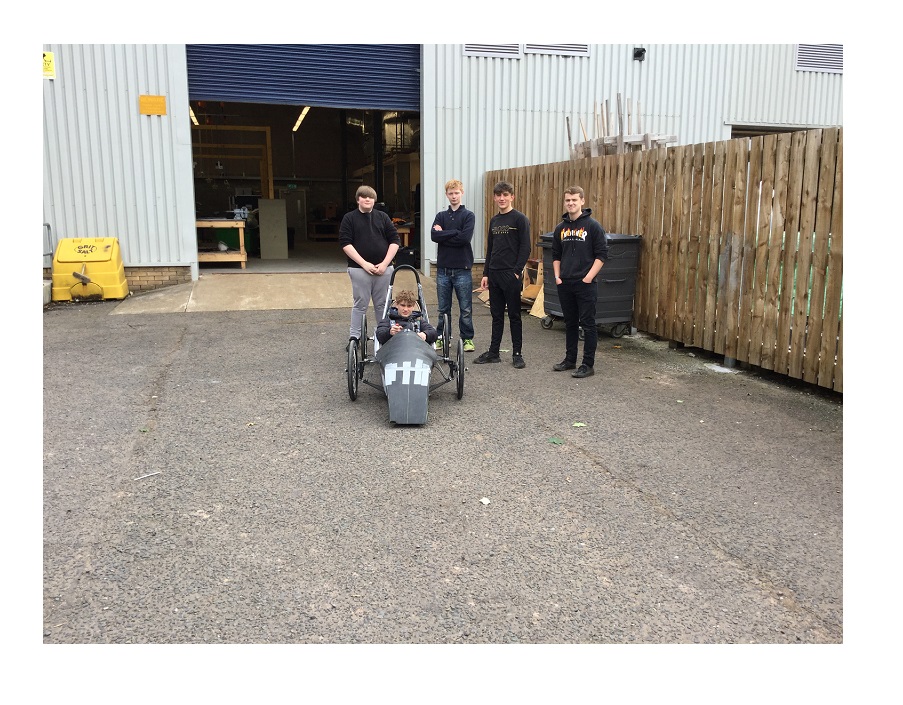
Borders College offers many courses to enhance the SCQF offer in our school. Many of our S4 pupils attend Borders College School Academy on a Tuesday and Thursday afternoon to achieve another SCQF Level 4 or 5 qualification. There is also a group of 5 boys who attend college on a Thursday morning for a different level 4 qualification. Kairo is one of these pupils who follows a blended timetable with Borders College and school. On Thursday mornings he attends Greenpower which is an SCQF Level 4 Engineering course. On Tuesday and Thursday afternoons he attends Borders College School Academy to study Level 4 Construction Crafts.
At school he is studying National 4 Applications of Mathematics, National 5 Design and Manufacture, Level 5 Practical Woodwork and has already achieved National 4 English, National 4 Art, National 3 Geography and National 3 History.
Kairo says: “The SCQF framework has allowed me to do things that are like what I want to do in the future. I really like practical woodwork. I just prefer working with wood rather than metal so Practical Woodwork allows me to do work with my hands which I enjoy. I don’t like sitting in classes doing writing. I find it boring, and get easily distracted. I much prefer building something. Starting next week, on Wednesdays I will be doing the RUTS (Rural Urban Training Scheme) programme which is all about learning how a motorbike works, by stripping down the engine and fitting brakes. I’ll even get to ride the bike off-road at the end of the training. Doing RUTS will give me a Level 5 SCQF Motolearn Unit. In January I will do Bike Punks, which is another hands-on course so I get to do even more practical stuff. Next year I intend to go to Borders College to do a full-time course in Carpentry and Joinery.”
Dean’s learning experience in S4 is a great example of how he is benefiting from a wide range of SCQF courses. Here is a brief outline of all the courses he is taking and his reasons for enjoying them.
 Youth Achievement Award (Silver- SCQF Level 5)
“This course is challenging and interesting; we have to complete 4 challenges which we choose ourselves and all have to agree. I like it best when we all work together as a team, we achieve great things like raising over £250 for charity. Some people have to learn basic things like listening and paying attention to others. I am getting more confident too.”
English
“I’m doing Nat 4 English, I’ve already completed Nat 3, it’s all about reading and writing and literature. I like it because we are allowed to work at our own pace and I don’t feel too much pressure.”
Social Subjects Learning Pathway
“I do lots of different things with different teachers: with Mr Clement, we’re learning all about animal cruelty and how animals are treated. This is set at just the right level for me, it’s interesting to find out how animals are treated in other countries. With Mr Gruba we are doing Travel and Tourism (SCQF Level 5) learning about different countries, we’ve learned about Estonia, which I didn’t really know much about and how to attract people to Dundee and other parts of Europe, it’s interesting.”
PC Passport
“This is all about computers, word processing, spreadsheets and excel: I’m getting better at using the computer. There are no exams, three assessments for Level 4 and two more for Level 5. There are no exams but I still get a qualification at SCQF Level 5 which is great. We’ve completed word processing and are working on adding and taking away in excel. I like this because I am learning new things and getting better at using Word.”
Applications of Mathematics
“I have already achieved Nat 4 Applications of Mathematics and I’m working on Nat 5 Numeracy. We’re learning about appreciation and depreciation now. It’s all very interesting, new and useful in life.”
Working with others
“I’m doing the John Muir Award with Louise (CLD worker). We go outside, into the woods, we’re learning about safety and looking after the environment. It’s good to get outside.”
Borders College
“I go to Borders College one day a week, the course is called Skills for Learning and Work. It’s a taster of different types of courses. it’s good because we get to try out different things, including childcare and cookery. I like all my courses at school and couldn’t pick out a favourite, I do lots of different things.”
Get more information on our SCQF School Ambassador Programme
Download a pdf version of this blog
By Sandra-Jane Grier, Lead – Curriculum and Teaching, College Development Network
As lecturers, we come into the profession with a good understanding of our subjects and industry, but we sometimes are initially less familiar with the core processes of learning, teaching and assessment.
While working as a lecturer many years ago, I began using the SCQF Level Descriptors increasingly in my day-to-day work to help me ensure my learning materials and assessments were pitched at the right level. A key catalyst for this, was the roll out of the Higher National Modernisation project when many previously unlevelled units were updated to ‘fit’ a specific SCQF level within the new HN awards.
During this time in my career, I actively developed a shared understanding with colleagues of what the generic descriptions at SCQF levels 6 – 9 meant within the context of our subject area, helping ensure that the learning and teaching we were delivering was of an appropriate level of demand.
The level descriptors focus on defined but broad-based outcomes across five defined characteristics, making these uniquely adaptable to all forms of learning – something that has ensured their continued relevance for educators in all sectors. These characteristics include applied practice and underpinning knowledge and a range of essential skills all of which are directly applicable to contemporary learning and work practices.
Referring to and using our professional knowledge of our subject when interpreting the level descriptor statements and competences was a vital part of this process as we collectively sense checked that the subject content we were planning to deliver would allow our students to successfully complete the new levelled awards.
These descriptors were invaluable as a reference point when developing new formative and summative assessment/reassessment materials and adapting existing assessment instruments to meet the defined standards in any newly levelled units – especially when no Unit Assessment Support packs were available to help us define the expected national standard.
The level descriptors are a fantastic tool to support learning and assessment in all its forms, and a resource that I have repeatedly returned to and used when updating curriculum materials and resources and when developing new Units and courses. Happily, SCQF levels are now an explicit feature appearing in Unit Specifications, on candidate certificates and referred to within college prospectuses. The growing SCQF College Ambassador programme is helping to raise the profile and understanding of the SCQF.
With the increasing emphasis on delivering impactful learning and the explicit references to the SCQF within the Professional Standards for College Lecturers, using the SCQF Level Descriptors has become a fundamental skillset. So, if you haven’t looked at these for a while, why not take a fresh look at the descriptors and make sure you make the most of these when developing and/or re-imagining the college curriculum of the future.
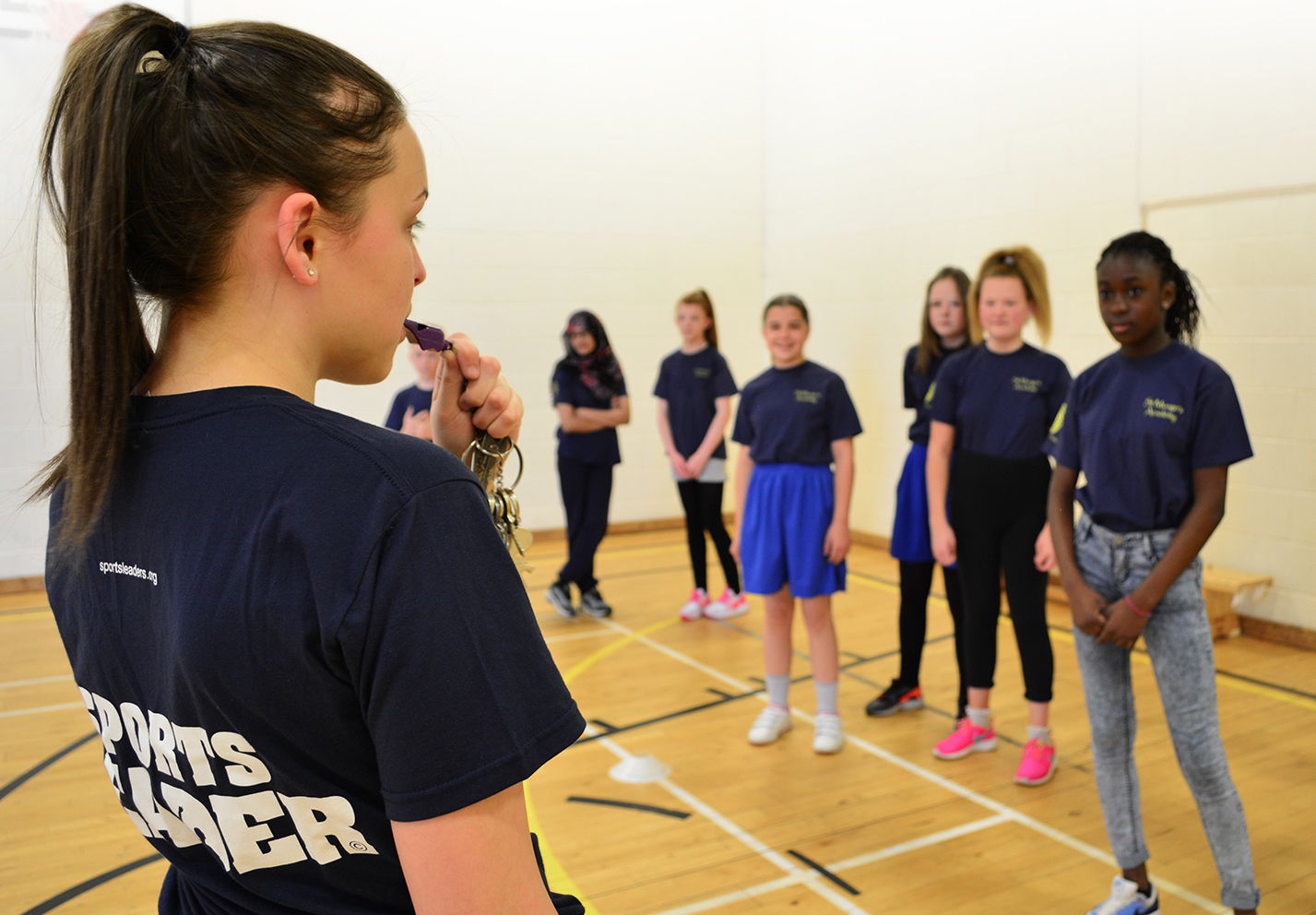
Is that on the SCQF…? is a series of blogs, where we look at some of the more unusual programmes that are on the SCQF. Read on to find out more about Leadership qualifications from Sports Leaders which are credit-rated at SCQF levels 4-6.
Many young people develop a passion for sport, exercise, and dance at a young age and, if nurtured correctly, that energy and enthusiasm can be a lifelong way of staying active, learning new skills and interacting with a wide range of different people.
Leadership qualifications from Sports Leaders provide learners with the chance to harness their passion for their chosen activity whilst also developing life-changing skills and gaining nationally-recognised qualifications. Those subjects for developing leadership could include sport, dance or curriculum-focused areas such as Maths and English – whatever the vehicle that sparks interest in pupils, Leadership Qualifications offer them the chance to build their skills.
Our Leadership Qualifications, which are on the SCQF – Scotland’s national qualifications framework – develop key skills across a variety of subject areas. They are the perfect way to engage active or inactive students, providing them with a platform to put into practice their learned skills, build their confidence and further their resilience.
Providing different subject pathways in this way creates opportunities for learners of all interests to develop their skills in an area they are passionate about. These skills are built through our Skills Framework, which has been created based on research from Youth Employment UK and focuses on five key areas for learners to develop: communication, self-belief, teamwork, self-management and problem-solving. During their courses, learners build these skills by demonstrating the behaviours which best represent them.
As a result of developing the skills needed to demonstrate leadership in their chosen subject area, learners develop the ability to engage their peers, younger students and wider communities, becoming powerful advocates for dance and physical activity, as well as broader volunteering and community projects.
Sports Leaders offer a number of qualifications that are SCQF credit-rated, with SCQF Level 5 Dance Leadership being the most recent to have achieved this. At SLQ, the awarding body for Sports Leaders’ Leadership Qualifications, we believe that the SCQF credit rating allows learners to make a comparison to other programmes of learning. For instance, they can quickly understand that a National 5 in PE is at the same level as our Dance/Sports Leaders Qualifications. This allows organisations to sometimes combine learning across courses at the same level and, in turn, increase the range of transferable life skills.
Maisie, one of our dance leaders from Inverness, has enjoyed her course so far and already seen her skills grow. She says:
“I’m on this course to improve my leadership skills and make me more confident in speaking up in front of others. So far, this course has made me better at leading independently – also, when I’m older I want to do coaching as my job, so I think this is great experience.”
Another Dance Leadership learner, Jack, has also seen his abilities develop. He said:
“I’m here to gain experience, knowledge and more confidence. I have already gained so much self-belief and being on the course has also made a difference to my communication and organisation skills.”
Find out more about our full range of programmes, including the SCQF credit-rated qualification mentioned above.
Download a pdf version of this blog
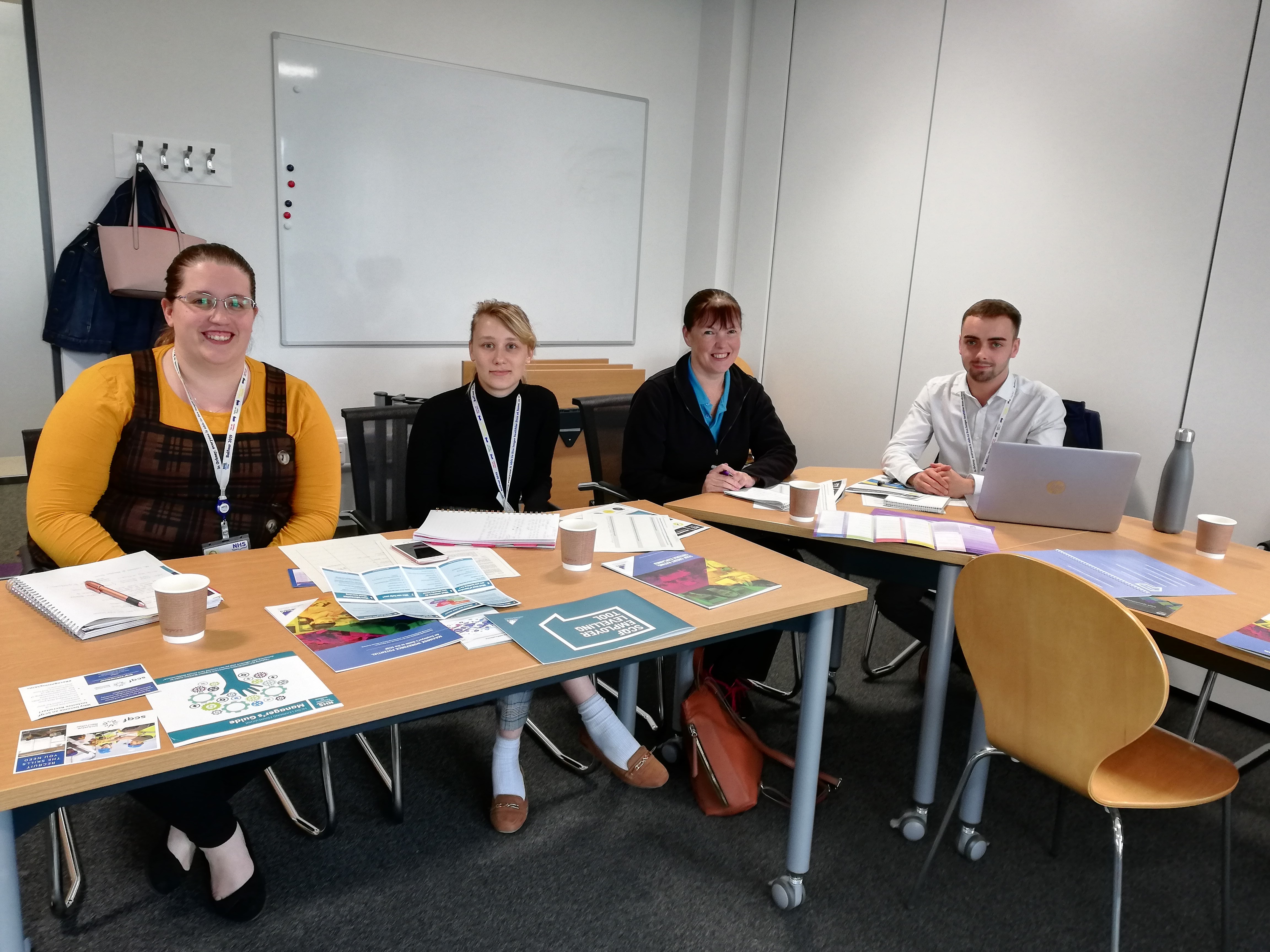
NHSScotland is to benefit from an innovative project led by NHS Education for Scotland (NES) in collaboration with the SCQF Partnership. The Recognition of Prior Learning (RPL) Guiding Principles were developed to help NHS Scotland employees get recognition for learning from experience which occurs in the workplace, and learning from experience in life, to support career development.
A wide range of people can use RPL. For example, RPL can help employees demonstrate their SCQF learning level and identify a career pathway which meets career aspirations, or to gain credit for learning from experience which can contribute towards a qualification. RPL can also help employers better understand the range and levels of knowledge and skills in the workforce, and inform more effective targeting of resources to support workforce development.
A short-life working group developed the Guiding Principles which will ensure that RPL is person/learner centred, flexible, standardised, transparent, accessible to all, collaborative and quality assured. They can be used during NHSScotland’s recruitment, induction, succession planning and Personal Development Planning & Review processes.
As part of the pilot project, representatives from NES and the SCQFP created guidance materials to deliver bespoke RPL workshops for NHS learning and development leads interested in becoming part of the RPL pilot, for their NHS Board. The Workshop raises awareness of RPL and provides examples of how it can be used, which include an RPL five-step process.

Over the next six months the team are to run RPL Workshops for nine NHS Boards participating in the pilot. This will identify NHS Board RPL Leads who will support RPL activity in line with local requirements. A steering group will then be established to share RPL Action Plans across the pilot Boards and identify any barriers to success. The pilot will help to refine the resources required to help embed the RPL Guiding Principles, prior to the national roll out in 2021 for NHSScotland.
There are several perceived benefits associated with RPL for both learners/employees & for NHSScotland:
Perceived benefits for learners/employees:
- Provides opportunities to reflect on learning gained through experience, raising an awareness of an ability to learn, leading to an increase in confidence and self-esteem
- Helps to benchmark to demonstrate SCQF learning level, identify gaps in knowledge and plan a learning programme to fulfil their potential in line with career aspirations
- Enables a learner/employee to continually build on their previous learning, avoiding duplication and to receive recognition for previous learning, reducing the amount of time needed to gain a qualification
- Reflective learners will help find solutions to issues, influencing change for the better
Perceived benefits for NHSScotland
- Values employees’ skills and identifies learning gaps within the workforce, leading to improved delivery of safe, effective, person-centred care and encourages people at every level
- Improves staff retention, leading to reduced staff turnover, minimised duplication of learning and reduced costs
- Supports and widens access to learning and development opportunities across NHSScotland within a supportive environment, where careers are flexible and full of possibilities, to attract and retain the workforce needed for a healthier Scotland.
Anne Marie Rennie, Specialist Lead: Recognition of Prior Learning for NES, said: “It is great that we have managed to recruit nine Boards for the RPL pilot. It shows that there is a real desire to enhance learning opportunities across the NHS Workforce. The Recognition of Prior Learning Guiding Principles will help employees get recognition for learning from experience, and help make the transition from informal learning to formal learning, if they wish.”
Networking, cooperation and exchange of experiences between the different Boards and learning providers will significantly contribute to the success of this project.
For more information on the pilot, contact the NES team.
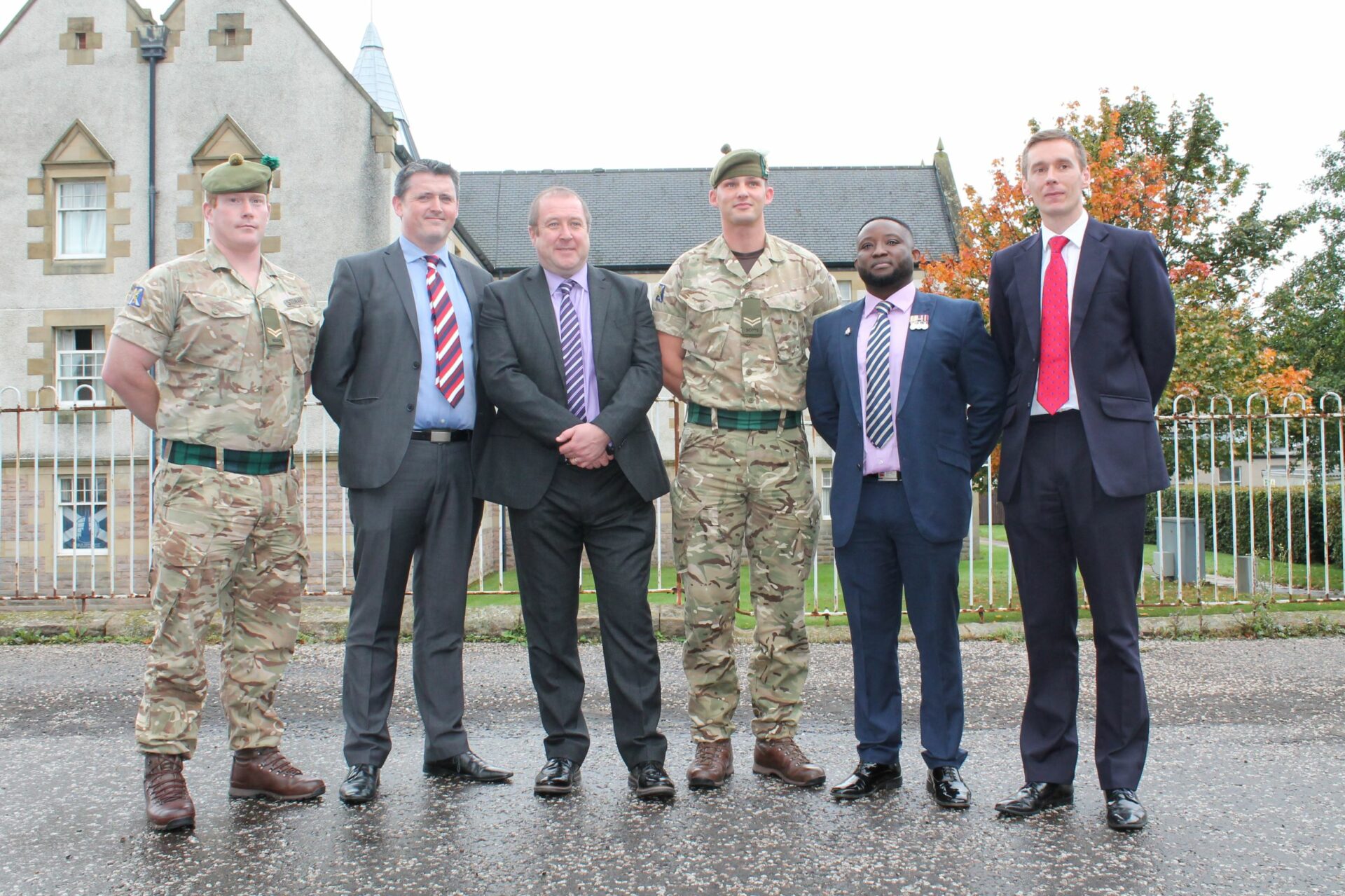
Infantry soldiers across the UK and those who settle in Scotland will be able to more easily match their military training qualifications to employers’ needs and study requirements in Scotland, thanks to a new resource launched by Veterans’ Minister Graeme Dey.
Until now British Army infantry qualifications have been mapped to the Regulated Qualifications Framework (RQF) – the framework that is used in England and Northern Ireland. Now, for the first time, infantry qualifications have been matched to their comparable Scottish Credit and Qualifications Framework (SCQF) level, used by learners, employers, colleges and universities in Scotland.
Mr Dey joined Aileen Ponton, the Chief Executive of the SCQF Partnership, and Colonel Sandy Fitzpatrick, Deputy Commander of 51 Brigade & Army Headquarters Scotland, to launch the new resource at Redford Barracks in Edinburgh.
During the visit Mr Dey got a taste for the quality and diversity of British Army infantry qualifications, meeting soldiers completing the Junior (Corporal) Command Leadership and Management and Arabic courses at the barracks.
Mr Dey said: “I have seen at first hand the range of valuable skills, experience and expertise that veterans bring to workplaces across Scotland. However, I am aware that the process of translating the skills and qualifications that are gained from service into the language of the employment marketplace outside the Armed Forces can sometimes be a struggle. This is why the Scottish Government has strongly supported this important work by the Scottish Credit and Qualifications Framework (SCQF) Partnership, aided by continued funding from the Scottish Funding Council. This work will not only help provide those leaving service with a smoother transition into civilian life, it will help employers – at all scales and across all sectors – access these skills and enhance their businesses.”
Colonel Sandy Fitzpatrick said: “The recognition of British Army infantry qualifications by the Scottish Credit and Qualifications Framework is an important step in helping our infantry service leavers and veterans demonstrate just how valuable they are to prospective employers across Scotland. We believe that the high quality of these qualifications along with the many other benefits that veterans offer employers, such as their ability to problem solve, work as a team and their self-discipline makes them twice the citizen and employee. This recognition will greatly improve soldiers’ transition from military to civilian life and better demonstrate the high-quality training and qualifications provided to the infantry of the British Army.”
Ms Ponton said: “The SCQF Partnership is delighted to be working with Scottish Government, Scottish Funding Council, the MoD and a wide range of partners to deliver greater recognition for the skills and qualifications held by services personnel. We see this work as helping employers and educational institutions understand the range of skills and expertise that those leaving the forces have to offer, and in addition support individuals to articulate their skills clearly in order to find employment or education which will add value to them and improve Scotland’s economic future.”
The mapping project was completed by the SCQF Partnership, with funding from the Scottish Funding Council (SFC) following a recommendation of the Scottish Veterans’ Commissioner’s report on Employability and Education.
The SCQFP has been working with the Ministry of Defence (MoD) to review its qualification matrices for all three of its Armed Services and has been examining all 1235 qualifications as well as speaking to key awarding bodies to ensure as many of the British Army, Royal Navy and Royal Air Force qualifications are either mapped or, where possible, officially recognised on the SCQF.