

As the SCQF celebrates 25 years, its role in strengthening the international recognition and understanding of Scottish qualifications is more important than ever.
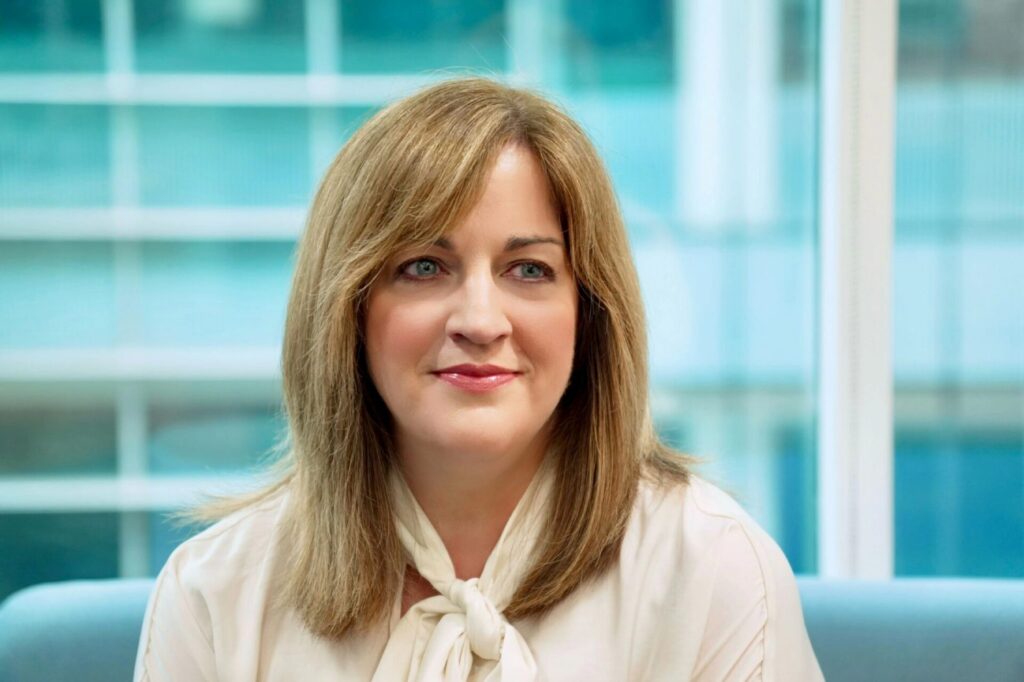
In this guest blog, Gillian Hepburn, Head of International at Qualifications Scotland, explores how the SCQF helps build trust in Scottish qualifications around the world – supporting both learners and centres operating internationally.
We’re delighted to welcome Qualifications Scotland as a sponsor of our SCQF@25 conference on 22 September, and to share Gillian’s perspective as part of our anniversary celebrations.
I was on a panel at Glasgow Caledonian University in May, talking about Scottish transnational education alongside colleagues from across the sector. The conversation kept returning to one word: currency.
The SCQF is what allows our qualifications to hold their value the moment they cross a border.
For an awarding body working internationally, that matters more than it might first appear.
A qualification is only as useful as the trust placed in it by whoever reads it next, whether that’s an overseas employer, a receiving institution, or a credit evaluator who has never heard of the centre that delivered it.
The SCQF does that translation work for us.
SCQF levels and credits
Every award sits at a defined level and credit value on a framework that’s benchmarked internationally, so someone assessing a Scottish qualification from Singapore, Lagos or Toronto doesn’t have to take our word for it. They can see, immediately, where it sits and what it’s comparable to.
That’s not an abstract benefit. It’s what lets our centres deliver with confidence anywhere in the world, and what lets learners choose us, knowing the outcome travels with them.
In a genuinely crowded international marketplace, where learners are weighing Qualifications Scotland against qualifications from dozens of other countries, being able to point to a framework that’s clear, credible and independently understood is one of the sharpest points of differentiation we have.
It’s not just “trust us.” It’s “here’s exactly where this sits, and here’s who else recognises it”.
The Framework’s ‘strength’
That confidence flows both ways. Centres delivering our qualifications overseas can market them on the strength of a framework their own local employers and institutions already understand or can look up in minutes.
Learners can make decisions knowing their qualification won’t lose meaning the moment they move country, change employer, or apply to study further abroad.
None of this happens by chance. The SCQF works internationally because it’s maintained as a living, credible system, and because organisations like ours keep investing in making sure our qualifications map onto it properly, year after year.
International recognition
We’ve been part of the SCQF since it was established in 2001, alongside Universities Scotland, QAA and the Scottish Government, and international recognition is one of the clearest, most practical returns that partnership delivers.
When I’m in rooms like the one at Glasgow Caledonian, talking to people who work with international learners and institutions every day, this is the story that lands. Not just that Scotland has a good qualifications framework, but that it’s one the rest of the world can read. That’s what gives our centres and learners the confidence to compete, and it’s exactly why we keep playing our part in it.
Get to know the people behind the SCQF Partnership (SCQFP). In this new blog series, we shine a spotlight on our Board members and the valuable experience, perspectives and leadership they bring to the organisation. This week, it’s the turn of Marie Hendry.
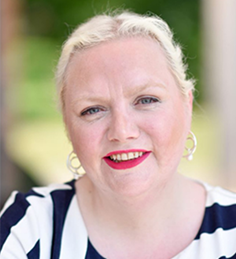
Marie Hendry is the Chief Executive of the College Development Network, which is the college sector’s development and enhancement agency.
Collaborating with SCQFP, she enhances the Framework’s impact across colleges and skills systems.
With 15 years experience in further and higher education, latterly as Depute Director at the Open University in Scotland, Marie has also worked at senior level in skills-development and roles in the private and third sector. Marie also serves on the Public Engagement Committee of the international development charity SCIAF.
As we celebrate the 25th anniversary of the SCQF, we caught up with Marie to learn more about her vision for the Framework’s future.
What’s been the most rewarding aspect of serving on the Board?
For me, the most rewarding aspect has been seeing how the Framework helps people to understand and value their own learning.
Across Scotland’s education and skills system, there is such breadth in what learning means — from school pupils taking their first steps, to apprentices, college and university students, adult returners, people in work, and those rebuilding confidence or changing direction.
Being part of the SCQFP Board has reinforced just how important that shared language is.
The SCQF helps people see that their learning matters, and that there is always a next step available to them.
What do you see as the SCQF’s most important contribution to Scottish education and skills development in the past 25 years?
I think the SCQF’s greatest contribution has been giving Scotland a clear, shared way of talking about learning and achievement. That may sound simple, but it is incredibly powerful.
Across education and skills, it helps show the value and rigour of different types of learning, whether academic, vocational, technical, professional or work-based.
Over the past 25 years, the Framework has helped make the system more transparent and more inclusive. It has also supported something I care deeply about: recognising that people learn in different ways, in different places, and at different stages of life.
How do you see the SCQF evolving over the next 25 years?
Looking ahead, I think the SCQF will become even more important as learning becomes more flexible and more lifelong.
People are no longer following one single route through education and work. They are building skills through school, college and university study, apprenticeships, work-based learning, short courses, community learning and, increasingly, more modular forms of learning.
The Framework can help join that up, and help recognise prior learning.
Across the education and skills system, the opportunity is to keep using the SCQF in practical, meaningful ways — in curriculum design, learner support, progression, quality enhancement and Scotland’s wider skills agenda.
Can you share an example of how you’ve seen the SCQF make a real difference to learners, training providers & employers?
The difference is often very personal. I think of learners who are unsure of where they fit, or uncertain about whether previous learning or life experience really counts. The Framework is a fantastic and accessible way to show them that it does.
Whether someone is moving through school, college, university, an apprenticeship, community learning or work-based learning, the Framework helps make the pathway visible. That can be a real confidence-builder.
It helps learners see not just where they are and what they’ve achieved but where they could go next.
Why should learners, training providers and employers care about the SCQF?
The SCQF helps make all learning understandable and valued.
For learners, it can demystify qualifications and give clarity about level, credit and progression.
For colleges, it supports curriculum planning, Recognition of Prior Learning, credit rating, progression agreements and conversations with employers. But more than that, it helps colleges tell the story of what they do so well: widening access, recognising skills, supporting people into work and further study, supporting the economy through business engagement and strengthening communities across Scotland.
What makes the Partnership model effective for Scotland’s qualifications landscape?
The Partnership model works because Scotland’s qualifications landscape only makes sense when the different parts of the system work together.
Schools, colleges, universities, employers, communities, awarding bodies and national agencies all have a vital role to play.
The SCQFP brings that wider system together around a common purpose.
That partnership approach keeps the Framework grounded in real learner journeys and real skills needs, rather than being something that sits at a distance from practice.
What’s one thing you would like more people to understand about the SCQF?
I think one of the biggest misconceptions about the SCQF is that it is only relevant to those who work in education. In reality, it is a tool for everyone. Learners, parents, employers and communities can all use it to understand qualifications, compare learning pathways and explore opportunities for progression.
The SCQF plays an important role in supporting lifelong learning. It helps people understand how different types of learning and achievement connect, whether gained through formal education, work or community-based learning.
That is why the SCQF matters. It makes learning easier to understand, supports progression between education and employment, and helps people navigate lifelong learning with greater confidence.
Get to know the people behind the SCQF Partnership (SCQFP). In this new blog series, we shine a spotlight on our Board members and the valuable experience, perspectives and leadership they bring to the organisation. This week, it’s the turn of Nick Page.
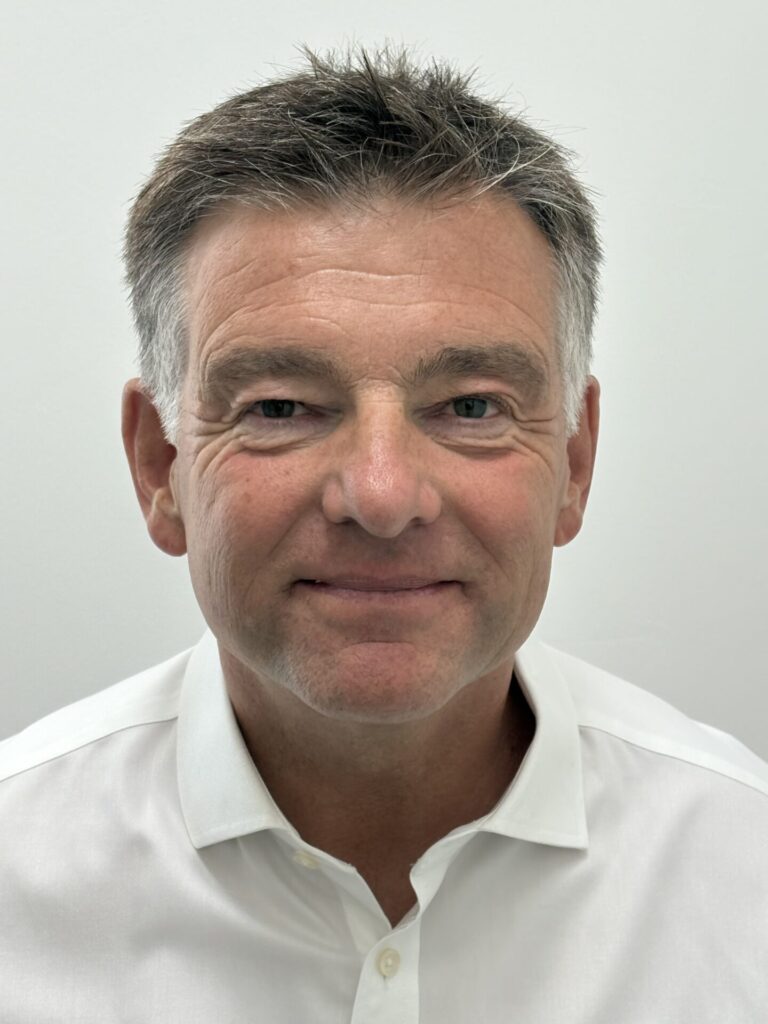
Nick is the Chief Executive of Qualifications Scotland. He began his career teaching geography in London before becoming a deputy headteacher in North Wales, where he developed a strong commitment to inclusive education and values-led leadership.
He later moved into the private sector, leading educational projects and international studies focused on integrated services for children and families – a theme that has shaped his career.
In local government, Nick served as Strategic Director of Children’s Services in Salford and Chief Executive of Solihull Council, driving transformational change to improve outcomes for children, young people and families.
Now leading Qualifications Scotland, he continues that mission, guided by the values of being open, connected, caring and brave. These principles underpin his leadership and his commitment to fairness, kindness and courage in change.
As we celebrate the 25th anniversary of the SCQF, we caught up with Nick to learn more about his vision for the Framework’s future.
What’s been the most rewarding aspect of serving on the Board?
One of the great things about the SCQF Partnership is just that – it is a partnership.
Being able to play my part in bringing Qualifications Scotland’s perspective to the board is important, of course, but I am always energised and motivated by opportunities to work together in partnership with other organisations.
The SCQF provides the perfect opportunity to do so; we come together to support, steer and champion one of the cornerstones of Scottish education and skills – that is the envy of many, even those that work in the kinds of international skills systems we often compare ourselves to.
The Framework brings benefits to many different stakeholders and participants in the education and skills system, so to be part of the team who steward and nurtures that is a privilege.
What do you see as the SCQF’s most important contribution to Scottish education and skills development in the past 25 years?
The SCQF does something very important in allowing everyone to compare the level and size of different qualifications. This is hugely important as it allows everyone to see how things relate to each other, can open up conversations about progression and – with the inclusion of HE programmes and qualifications in the same Framework as all those offered in schools, colleges and training providers – is a tangible and important living example of commitment to a parity of esteem across different pathways and qualifications.
Baking this parity in via the Framework has been, and continues to be, a valuable commitment to the kind of education and skills system Scotland aspires to have.
How do you see the SCQF evolving over the next 25 years?
For the future, I think it is less about how the Framework evolves and more about how it helps ensure that whatever the future of qualifications looks like, they remain grounded with clarity about their level and their size.
One strength of the Framework is that it can be a home to qualifications of all different types, aims and styles – so long as we maintain that, while ensuring that the ground rules of clear outcomes, formal assessment and quality assurance are maintained – then the Framework will evolve as qualifications evolve.
Can you share an example of how you’ve seen the SCQF make a real difference to learners, training providers & employers?
The Framework is embedded in Qualifications Scotland’s qualifications – so every time a learner is entered for one of our qualifications, the SCQF is playing its part in supporting that learner journey.
We also work with many organisations that speak to us about our customised awards offer, or indeed as our role as a credit rating body. We know from our experience that the ability to place an organisation’s learning programme on the SCQF is a major benefit.
Why should learners, training providers and employers care about the SCQF?
Learners – and parents and carers – training providers and employers should care about the SCQF as it provides them with a map to the qualifications that are available. It enables purposeful learner journeys aiming at a destination, showing that there are different routes to get where you want to be.
What makes the Partnership model effective for Scotland’s qualifications landscape?
The partnership model embodies Scotland’s approach to education and skill. It’s a system where all the players understand that they need each other and work best when they do so in harness.
What’s one thing you would like more people to understand about the SCQF?
The SCQF is a brilliant example of this partnership in action. If there’s one thing I’d like people to understand it is just that: the Framework shows what we can do when we work across our institutional boundaries for the good of Scotland. It shows that collaboration and partnership are a direct route to delivering solutions that work – and the 25 years of contribution made to thousands of learner journeys by the SCQF is testament to that.
Scotland has no shortage of skills and talent. What it lacks is a consistently used Recognition of Prior Learning (RPL) system capable of recognising where and how learning has taken place.

Every day, people acquire valuable learning through life experience, employment, volunteering, military service, professional development, migration and community activity. Yet too often, that learning remains invisible when people seek to progress in education, employment or their careers.
The consequences are significant. People can repeat learning they have already achieved, employers can struggle to identify the full range of skills within their workforce, and individuals can face unnecessary barriers to progression. The result is wasted time, wasted talent and unnecessary cost for individuals, employers and the public purse.
What is RPL?
At its heart, RPL is a simple idea. Learning gained through experience should count alongside learning gained in classrooms.
The Scottish Credit and Qualifications Framework (SCQF) has a set of RPL principles adhered to by all of Scotland’s universities, colleges and Qualifications Scotland. These principles help maintain our ethos that ‘All Learning Counts’.
The challenge has been creating a level playing field within Scotland for all candidates to have their learning recognised.
And, importantly, many learners aren’t even aware that they can have their prior learning recognised.
A significant opportunity for Scotland
For decades, RPL has existed at the margins of Scotland’s education and skills landscape. It has been understood by practitioners, used sporadically, and commonly associated with articulation from college to university. However, a growing body of evidence suggests that RPL is not simply a process to speed up people’s learning journeys. A recent Bell-Wylie article suggests that RPL represents a major economic opportunity because Scotland continues to overlook learning and skills already achieved in its workforce.
The economic case is compelling. But the social case may be just as important. A national RPL system also has the potential to widen opportunity for groups who often encounter barriers within traditional learning pathways. Adult returners, veterans, migrant workers, refugees and career changers, who frequently possess valuable learning, skills and experiences that remain unrecognised and undervalued.

For many of these individuals, progression is delayed not because they lack competence, but because the system lacks mechanisms to recognise learning, skills and competences.
The focus should shift from debating whether RPL is beneficial, to talking about how we should implement it.
The invisibility of RPL practices
Across higher education, professional sectors, colleges and workplaces, there are numerous examples of recognition of prior learning in action. The problem is that these practices remain fragmented, inconsistent and often invisible to those who would benefit most from them.
Countries that have successfully scaled RPL have not done so through policy statements alone. Australia, France and Ireland all demonstrate that growth occurs when national ambition is matched by funding, leadership and clear learner entitlements.
Scotland’s challenge is, therefore, not principally a procedural issue, but one linked to many social and economic factors.
The big question
The question facing Scotland is larger than RPL itself. It is about what kind of skills framework Scotland wants to build. One model continues to favour formal routes and institutional boundaries. The other starts from the premise that learning occurs everywhere and that the role of the RPL process is to recognise, validate and build upon it.
The evidence emerging from Scotland’s national RPL work, led by the SCQF Partnership at the request of the Scottish Government, suggests the latter approach is not only fairer but more economically efficient. It reduces duplication of learning, facilitates quicker progression routes, promotes faster movement into skills roles and creates better utilisation of existing skills.
The real opportunity lies not in creating another policy initiative, but in creating a new social contract around learning, one that values experiential learning as highly as formal qualifications.
What’s next for RPL in Scotland?
The country already possesses the building blocks of RPL within the SCQF. The challenge now is finding the ambition to assemble them – and to make recognition of prior learning a routine part of how Scotland recognises skills, qualifications and progression.
If Scotland succeeds, RPL for experiential learning may come to be viewed not just in pockets of good practice, but as a cornerstone of a modern skills system and a wellbeing economy.
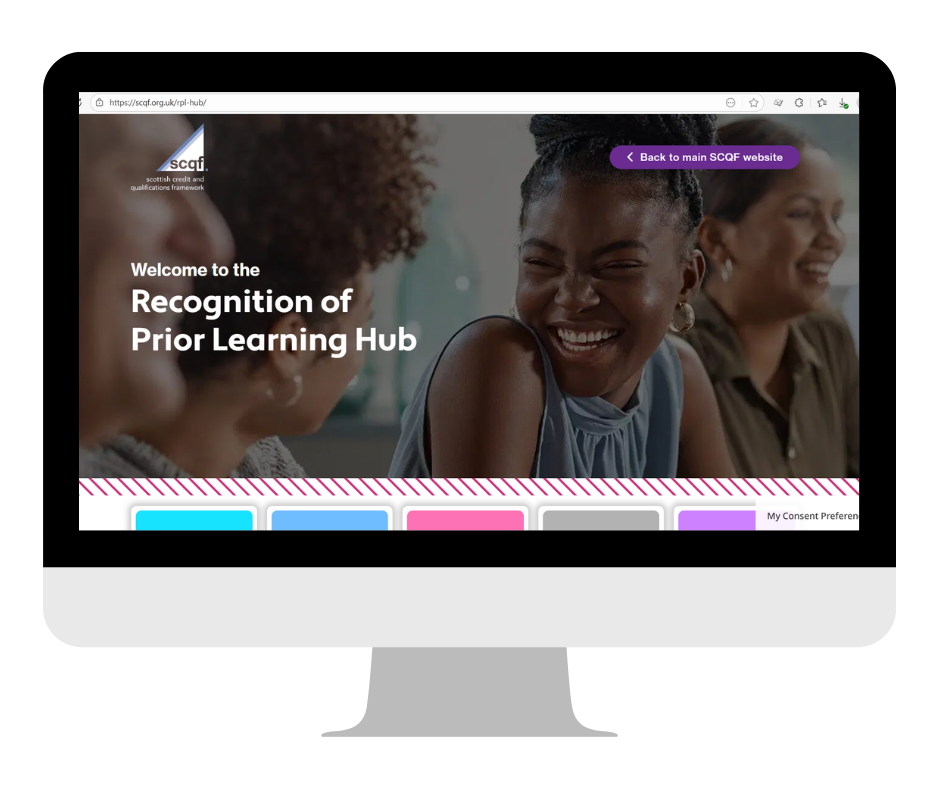
Our RPL Hub showcases inspirational examples of RPL in action across Scotland, highlighting the good practice already taking place and demonstrating the potential for these approaches to be adopted more widely.
Our RPL Network
To join the conversation and have your say, join our new LinkedIn network – Recognition of Prior Learning (RPL) in Scotland. The network will bring together people working in and around Recognition of Prior Learning (RPL) across Scotland – providing a space to share experiences, exchange ideas, showcase good practice and learn from one another.