

When Port Glasgow High School started their SCQF Ambassador journey, they didn’t hang around.
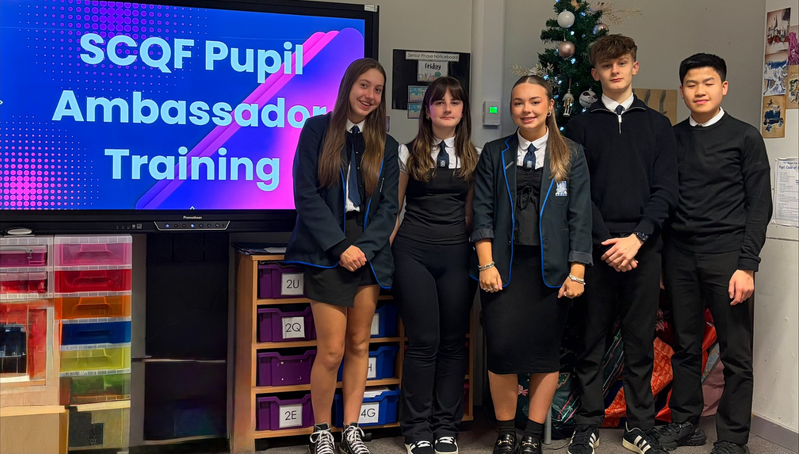
Within months, they’d gone straight to Silver status – a real testament to the effort put in by staff and pupils alike. Now they’ve got their sights set on Gold.
Here’s how they got there.
How it all started
It began in June 2025 when Donnie Wood from the SCQF Partnership came into the school to chat with staff and get everyone up to speed on the SCQF and what it could mean for young people. That initial conversation sparked something, and by May 2026 Port Glasgow High had been awarded their Silver SCQF Ambassador status.
Getting the word out
Once the school was on board, the next challenge was making sure pupils, parents and the wider community understood what the SCQF is – and why it matters.
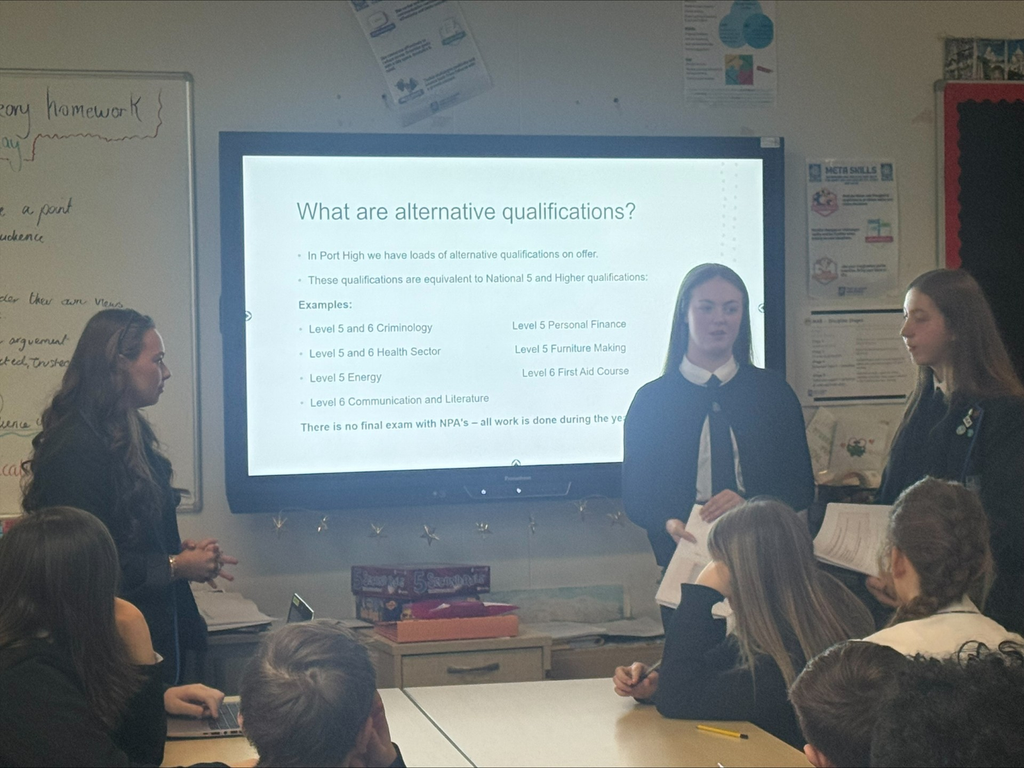
Pupil Ambassadors took the lead on this, heading into classrooms across the school to talk to their peers directly. There’s something powerful about hearing it from another student rather than a teacher, and the Ambassadors did a great job breaking down what the Framework is, why it’s worth knowing about, and what learning programmes are being delivered at Port Glasgow High.
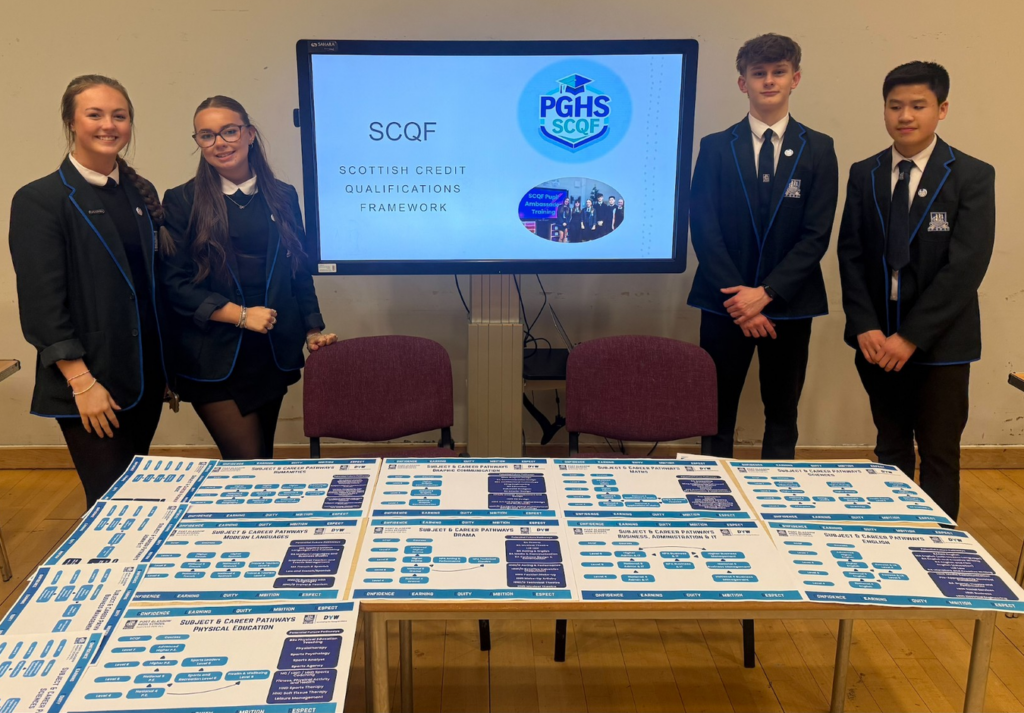
They didn’t stop at the classroom door either. Ambassadors supported the Options Fayre and parents’ nights to talk families through the different pathways available. This means that parents and carers are equipped with the knowledge and information they need to support their young person in making the right decisions for their future development.
The school has also been keeping their entire school community in the loop through their newsletter and social media, giving regular updates on progress and making sure the conversation keeps going beyond the school gates.
A broader curriculum
Alongside all the Ambassador work, Port Glasgow High has been quietly but steadily expanding what’s on offer for pupils. They now have NPA courses at both SCQF Levels 5 and 6, including programmes like SCQF level 6 Business with IT and SCQF Level 5 Energy, as well as life skills opportunities such as SCQF Level 6 First Aid Training.
These aren’t just boxes to tick. They’re courses with real practical value, linked to employment and further study, and designed to open doors for pupils who might not thrive in a traditional exam-only environment.
What pupils are saying
The proof, as always, is in what the young people themselves think:
Doing NPAs this year has helped me develop skills I can take to college and work.
I enjoyed doing courses like the first aid training. It will help make me employable.
And from a former pupil already putting it into practice:
I did an NPA that helped me develop transferable skills I now use at work and on my college course.
What’s next?
Port Glasgow High is already looking ahead to the 2026/27 school session with a clear goal: going for Gold. They’re actively recruiting more Pupil Ambassadors to help push things forward and keep building on the momentum they’ve already created.
An impressive start – and if the jump to Silver is anything to go by, Gold won’t be far off.
Useful links
Find out what schools are involved in the SCQF School Ambassador Recognition Programme
Learn more about the School Ambassador Programme
View the School Ambassador padlet
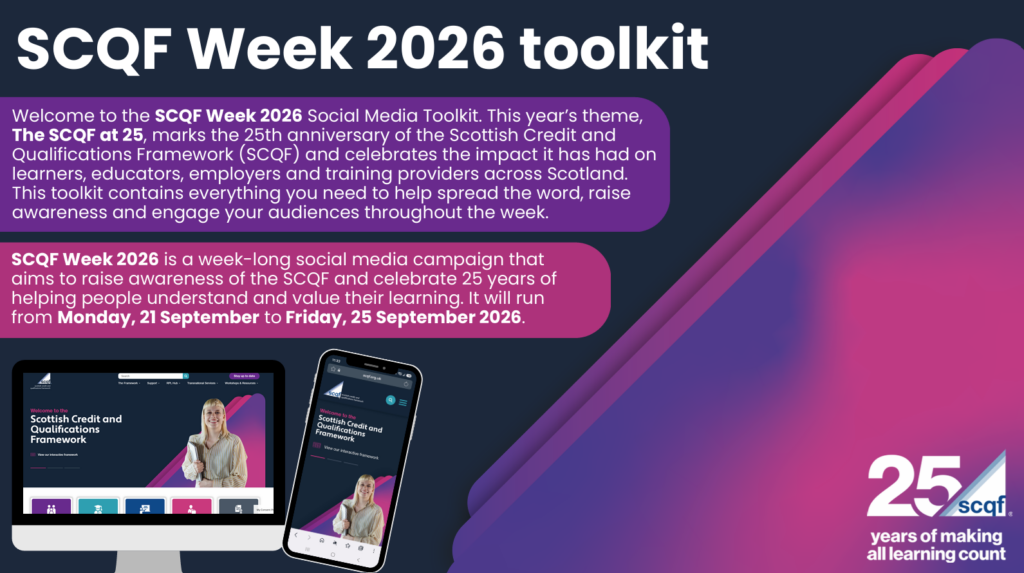
The countdown is on to SCQF Week 2026, and this year we have even more reason to celebrate.
SCQF Week is extra special as we are marking 25 years of the Scottish Credit and Qualifications Framework (SCQF).
From 21 to 25 September, we’ll be looking back 25 years to explore people’s learning journeys and celebrate how far they’ve come.
We’ll be shining a light on the many different ways people learn, the skills and knowledge they gain, and how learning can be recognised and valued throughout life.
Looking to the next 25 years
As we reflect on the past 25 years, we’ll also look to the future and ask: what will learning look like in 2051?
With new technologies, new careers and new ways of learning already changing the way we live and work, there’s plenty to think about.
How to take part
Join us for SCQF Week 2026 as we celebrate 25 years of learning, recognition and opportunity – and look forward to the next 25.
Follow along on social media and join the conversation using #SCQFWeek26 and #SCQF25Years.
For more for information and to download our social media toolkit, visit SCQF Week 2026.
SCQF@25 Conference
To celebrate 25 years of the SCQF, we’re also hosting our SCQF@25 conference in Glasgow on 22 September, bringing together colleagues and partners to reflect on the SCQF’s journey and look ahead to the future of learning. Find out more and book your tickets here: Inspiring line-up of speakers announced for SCQF@25 conference.
You’ve spotted “SCQF credit-rated” — level 5, level 7 — on our courses and thought: what does that actually mean south of the border? Here’s the plain-English translation — straight from the official comparison tables.
If you manage estates, engineering or compliance teams in England, you’ll be fluent in the language of A-levels, NVQs, HNCs and “level 3” or “level 4” qualifications.
So when a training course arrives on your desk described as SCQF level 5 or SCQF level 7, credit-rated through Qualifications Scotland, it’s fair to ask two questions. What is the SCQF? And is it actually recognised in England?
The short answers: it’s Scotland’s national qualifications framework – the sibling of the system you already know – and yes, it’s formally recognised right across the UK.
But the detail matters, because SCQF numbering looks different from English numbering, and misreading it is easy. This guide gives you the official translation.
What is the SCQF?
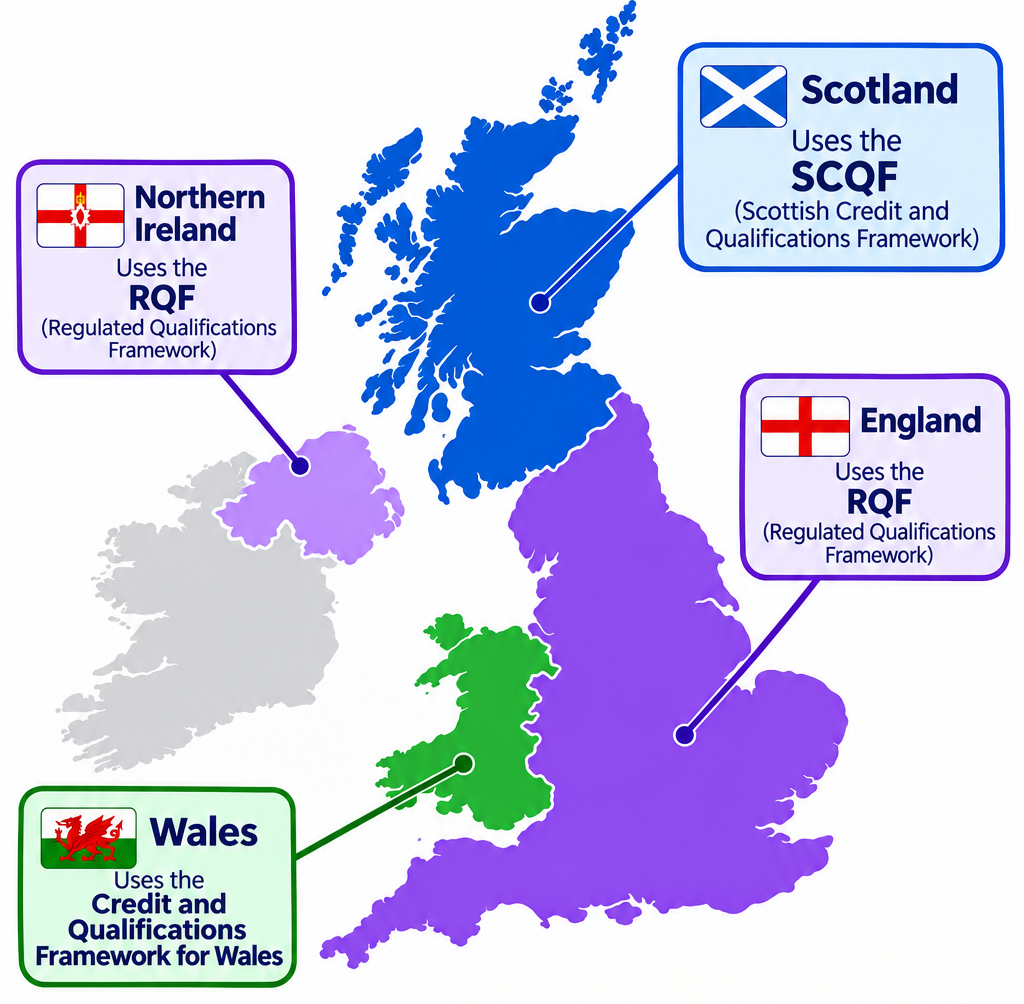
The Scottish Credit and Qualifications Framework (SCQF) is Scotland’s national framework for qualifications, in the same way England and Northern Ireland use the Regulated Qualifications Framework (RQF), overseen in England by Ofqual.
Almost every mainstream qualification achieved in Scotland – from school qualifications to doctorates, and including vocational and professional training – sits somewhere on the SCQF.
Every programme on the Framework carries two numbers:
- An SCQF level (1 to 12) – how demanding the learning is. Level 1 covers the most basic learning outcomes; level 12 is doctorate territory.
- Credit points – how much learning is involved. One SCQF credit point represents ten notional hours of learning, including study and assessment time, not just classroom hours.
So a qualification badged “SCQF level 7, 6 credit points” tells you at a glance both the intellectual demand and the volume of learning behind it.
That precision is the whole point of the Framework – and it’s exactly what a certificate of attendance can’t tell you.
The English translation: SCQF vs RQF
Here’s where English readers usually stumble. The SCQF runs from 1 to 12; the RQF runs from Entry Level to Level 8.
The numbers do not line up one-for-one, so a Scottish level always looks higher than its English equivalent. An SCQF level 7 qualification is not the same as an RQF Level 7 (which is master’s degree level) — and, equally, it’s well above an RQF level 3.
The table below shows the levels you’ll most often meet on technical training, drawn from the official comparison published by Qualifications Scotland (formerly the Scottish Qualifications Authority, SQA):
National framework qualifications comparison table
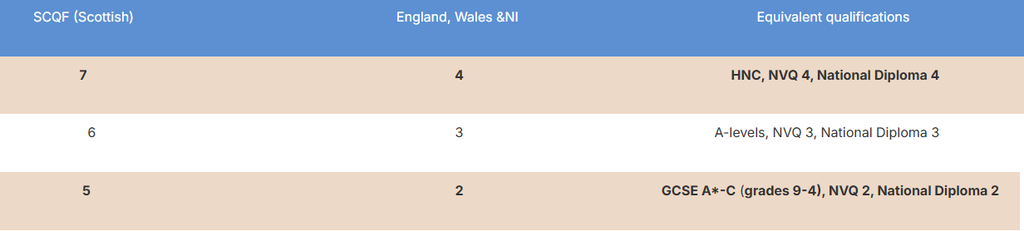
The full official table covers all 12 SCQF levels, right up to doctorate (SCQF 12 = level 8 in England).
An SCQF level 7 qualification sits a full step above A-levels — the same rung as an HNC in England.
Worked examples: SCQF levels 5 and 7 in English terms
Take the two levels you’ll most often meet on technical training. An SCQF Level 5 qualification corresponds to RQF Level 2 in England – GCSE standard (A*–C /grades 9–4) – the level at which someone can competently carry out skilled, well-defined technical tasks to established procedures.
An SCQF level 7 qualification corresponds to RQF level 4 – beyond A-level standard, in the same territory as an HNC or the first year of a degree – demanding critical understanding, analysis and evaluation of complex technical information.
The point isn’t these two levels in particular: the Framework works identically at every one of its 12 rungs.
Whatever level appears on a credit-rated course – ours included, from operational programmes at SCQF level 5 to our 5-Day Authorised Person (Ventilation) training at SCQF level 7 — the same official table translates it into its English equivalent.
Is an SCQF qualification recognised in England?
Yes. This is the question we’re asked most often by English clients, and the answer is unambiguous.
The SCQF and the RQF are formally referenced against each other, and both are referenced against the European Qualifications Framework (EQF).
Qualifications from either framework are treated as comparable at the mapped level across the UK – an SCQF-credit-rated programme is no more “just Scottish” than an English HNC is “just English”.
Insight for procurement teams
When a tender or competence audit asks for evidence of accredited training, cite the SCQF level, the credit points and the credit-rating body, and include the RQF equivalence from the official Qualifications Scotland comparison table. That combination answers the “is it recognised?” question before an auditor needs to ask it.
Credit-rated training vs a certificate of attendance
Understanding the levels is half the story. The other half is the phrase credit-rated – and this is where the framework earns its keep for compliance buyers.
A great deal of technical training in the UK is certificated only in the sense that you receive a PDF for turning up. Nobody independent has assessed how demanding the course is, how much learning it involves, or whether the assessment proves anything.
Credit rating is different. Before a programme can join the SCQF, a credit rating body – in our case, working with Qualifications Scotland – must scrutinise it and formally confirm three things:
- Its level – the learning outcomes genuinely sit at the claimed point on the Framework;
- Its credit points – the notional learning hours have been measured and verified;
- Its quality assurance – the design, delivery and assessment have been independently checked.
A certificate of attendance proves someone was in the room. A credit-rated qualification proves what they can now do.
For healthcare estates in particular, that distinction has teeth. Guidance such as HTM 03-01 (specialised ventilation in healthcare premises) expects authorised persons and other key roles to be demonstrably competent.
When your training evidence carries an SCQF level and credit points, competence stops being an assertion and becomes a verifiable record.
What this means for your team

M&M Consultancy & Training Services is based in Scotland, and our courses are credit-rated to the SCQF- but the majority of the standards we train against, from HTM 03-01 to its Scottish counterpart SHTM 03-01, apply on both sides of the border, and our courses are developed and delivered by NHS-appointed authorising engineers who work UK-wide.
For an English employer, choosing an SCQF credit-rated course means:
- Recognition – a nationally qualification at every level of the framework (SCQF level 5 maps to NVQ level 2; SCQF level 7 to NVQ level 4)
- Audit-ready evidence – level and credit points that slot directly into a competence management system;
- Comparability – a common currency for mixed teams holding Scottish and English qualifications.
Frequently asked questions
What is SCQF level 7 equivalent to in England?
RQF level 4 – a step above A-levels, comparable to an HNC or NVQ 4, according to the official Qualifications Scotland comparison table.
What is SCQF level 5 equivalent to in England?
RQF level 2 — broadly GCSE standard (A*–C /grades 9–4), alongside NVQ 2. The same official comparison table covers every SCQF level, so any credit-rated course can be translated the same way.
Is SCQF the same as an NVQ?
No. An NVQ (or SVQ in Scotland) is a type of qualification; the SCQF is the framework the qualification sits on. SVQs, HNCs, degrees and credit-rated professional courses all occupy levels on the same framework.
Do English employers and auditors accept SCQF qualifications?
Yes. Because the SCQF and RQF are formally referenced against each other and against the EQF, an SCQF credit-rated qualification is recognised UK-wide. Quote the level, credit points and the RQF equivalence in your competence records.
Useful links
Qualifications Can Cross Boundaries – compare qualification levels across the UK and Europe
Qualifications Scotland — Comparing qualification levels
NHS England » Health Technical Memorandum 03-01: Specialised ventilation for healthcare premises
M&M Compliance Training Services – Training Courses
Learn more about qualification levels in England, Wales & Northern Ireland
Get to know the people behind the SCQF Partnership (SCQFP). In this new blog series, we shine a spotlight on our Board members and the valuable experience, perspectives and leadership they bring to the organisation. This week, it’s the turn of Martin Jones.
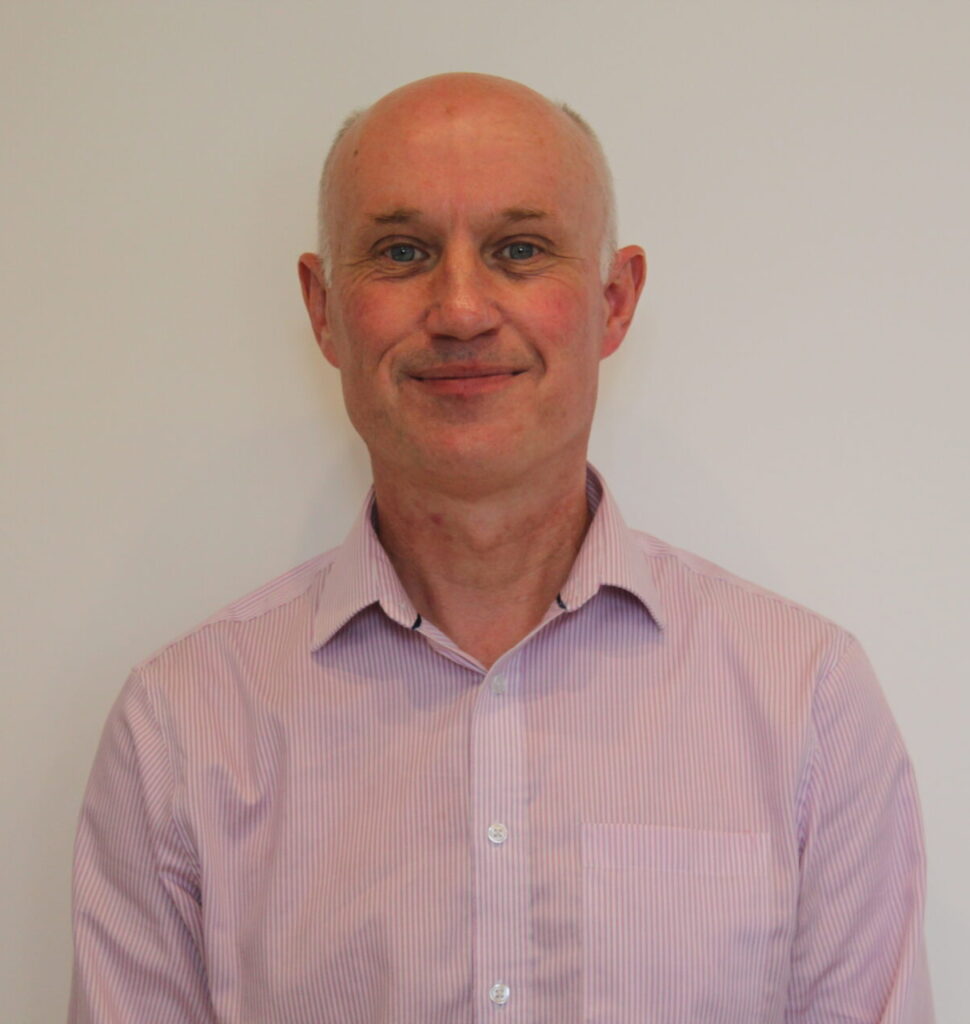
Martin has over 30 years’ experience in tertiary education, primarily working within a law school environment.
During 15 years at Glasgow Caledonian University (GCU), he held a number of leadership roles, including leading the law team.
More recently, he has worked within the University of the Highlands and Islands as Principal and CEO at UHI Argyll.
In 2025, he became Dean and CEO of the Institute of Law, Jersey.
An advocate for technology in learning, he is passionate about widening access to the legal profession and is a member of the Law Society of Scotland’s Education and Training Committee.
As we celebrate the 25th anniversary of the SCQF, we caught up with Martin to learn more about his vision for the Framework’s future.
What’s been the most rewarding aspect of serving on the Board?
Seeing key representative stakeholders in Scotland’s educational landscape engage around the Framework as an important calibration of education and training in Scotland and how that is never more relevant than today. Also seeing, how the SCQFP’s impact is driven by a relatively small team of dedicated staff.
What do you see as the SCQF’s most important contribution to Scottish education and skills development in the past 25 years?
The opportunity that the Framework gives for learners to situate themselves within the levels and to plot an individual journey which may be navigated in a concentrated burst through school, college, university and workplace or alternatively in a more ad hoc fashion over a considerable number of years – but all tied together with a sense of benchmarked, coherent progression.
How do you see the SCQF evolving over the next 25 years?
The adoption of the Framework wherever learning and skills acquisition takes place has been central to the last 25 years.
Those opportunities for learning will likely expand in the context of digital offerings and may emerge in ways that are not entirely obvious at this moment in time and from providers that may be outside traditional contexts too.
The need for SCQF to remain present and to anchor learning as people are driven to learn to remain relevant in a changing job market will be paramount.
Can you share an example of how you’ve seen the SCQF make a real difference to learners, training providers & employers?
In my former working life at UHI Argyll seeing the Framework being used to plan and create coherent learner pathways from school through college and university qualifications in a single tertiary institution is exactly how it can be used strategically for individual benefit.
Also, at Ocean Youth Trust (Scotland) I saw how the achievement of benchmarked qualifications achieved in the context of a boating adventure was so important to some young people who may have struggled to achieve the equivalent at school.
Why should learners, training providers and employers care about the SCQF?
I would highlight, in particular, the role of employers in looking at the range of qualifications that any potential employees might be bringing to the table and, therefore, be looking at them as individuals.
Equally, when planning to invest in the education and training of their employees, it enables them to make the right decision about what is the best next step for the benefit of the organisation and the individual.
What makes the Partnership model effective for Scotland’s qualifications landscape?
Partnership is just that. Nobody can ‘own’ the SCQFP or set its agenda without collaborating with the voices from all corners of the skills and education landscape in Scotland.
That is also reflective of the fact that learners will likely engage with the various constituent parts across their lifetime.
What’s one thing you would like more people to understand about the SCQF?
Engaging with the Framework is not a single linear journey to reach the highest pinnacle that you can in a particular specialism.
The nature of learning and skills acquisition is such that you may have concurrent or parallel journeys as you develop your career, change career or engage for the love of learning across your lifetime.
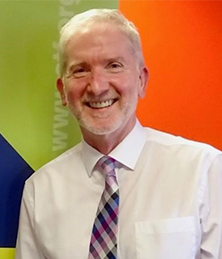
I’m delighted to be hosting SCQF@25, a special conference celebrating the 25th anniversary of the Scottish Credit and Qualifications Framework, taking place on Tuesday 22 September 2026 at Glasgow Science Centre.
It’s a fantastic opportunity to celebrate the achievements of the SCQF over the past 25 years, while looking ahead to how the Framework can continue to support learners, employers, education and training providers.
The SCQF has a wonderfully diverse range of stakeholders, and that is reflected in the conference programme.
Networking opportunity
I’m looking forward to hearing new ideas and perspectives, meeting old friends and new colleagues, developing relationships and exploring how the SCQF is being used in practice.
As Chief Executive of the Scottish Training Federation (STF), I’m particularly interested in how we can continue to promote the benefits of the SCQF to STF members.
Most of our members deliver apprenticeships and employability programmes, and many have used the SCQF since its inception to understand and communicate the level of programmes they deliver, including SVQs and, more recently, apprenticeships.
The formal recognition provided by the SCQF gives confidence to learners and employers, while helping learners understand how their qualifications can support their wider education and career pathways.
STF members can also have confidence in the quality of programmes that have gone through the Framework’s robust quality assurance process.
A former board member
I was delighted to serve on the SCQF Partnership Board from 2019 to 2025, which gave me the opportunity to contribute an employer perspective while gaining a deeper understanding of how the Framework can support our members and the wider skills system.
I look forward to continuing to work with Marissa Lippiatt and the SCQF Partnership team as we celebrate this important milestone.
Here’s to the next 25 years – see you at SCQF@25 on 22 September!
SCQF@25 tickets
Not got your ticket yet? Book at SCQFP 25th Anniversary Conference 2026.
At Castlemilk High School, we believe every young person has something to offer and we are on a mission to make sure they know it too.
That’s where the Scottish Credit and Qualifications Framework comes in. The SCQF isn’t just a technical thing for teachers to worry about – it’s a tool that helps us show our young people that their achievements matter. All of them. Whether that’s a Higher, a vocational qualification or something they’ve worked towards outside the classroom entirely.
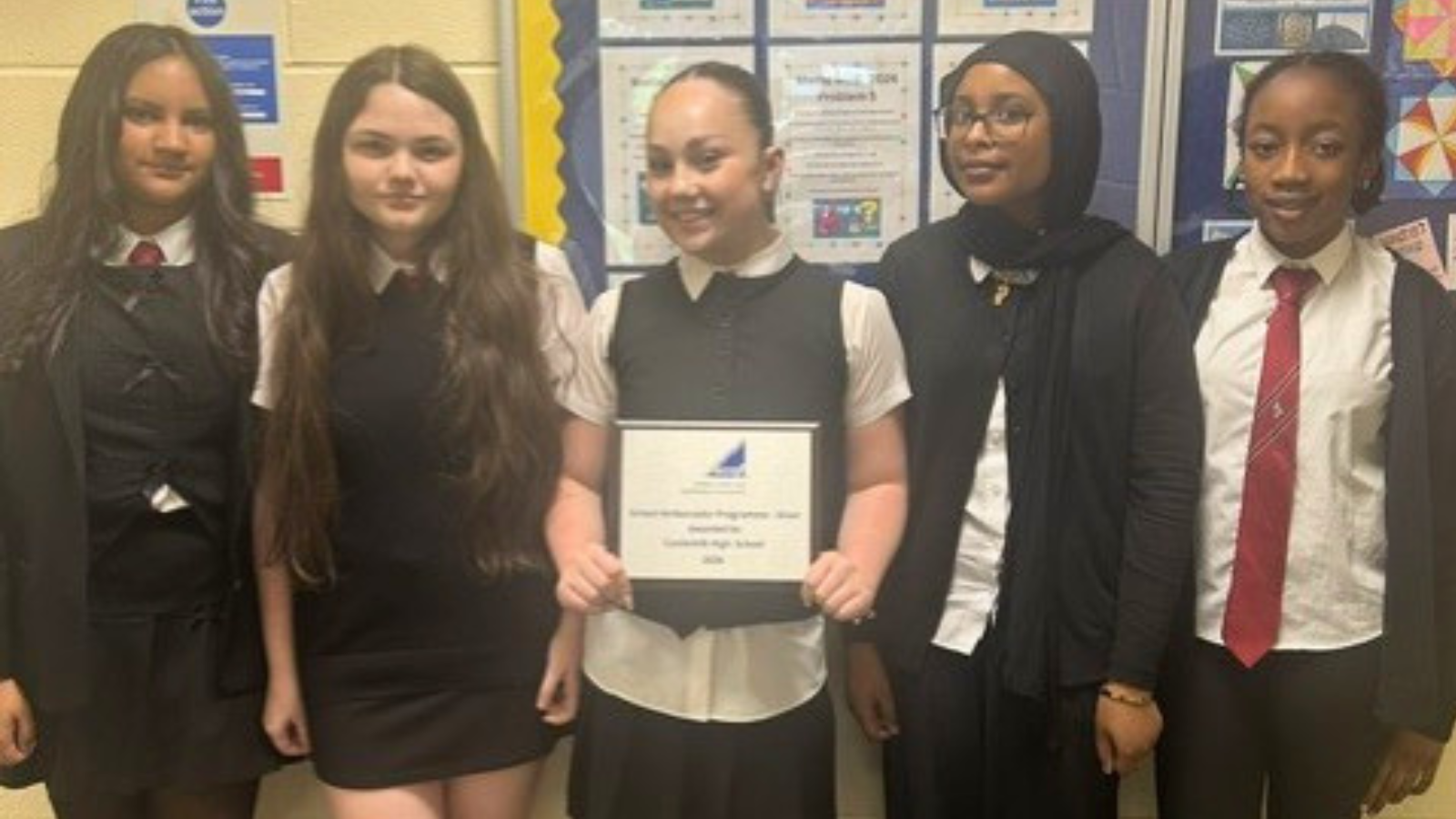
All about Castlemilk High School
We’re a school rooted in a diverse, vibrant community on the south side of Glasgow. Our young people come with different strengths, different stories and different ambitions and our job is to build a curriculum that reflects that. Academic routes, vocational pathways, personal achievements: in our eyes, they all carry equal weight.
Getting everyone on board
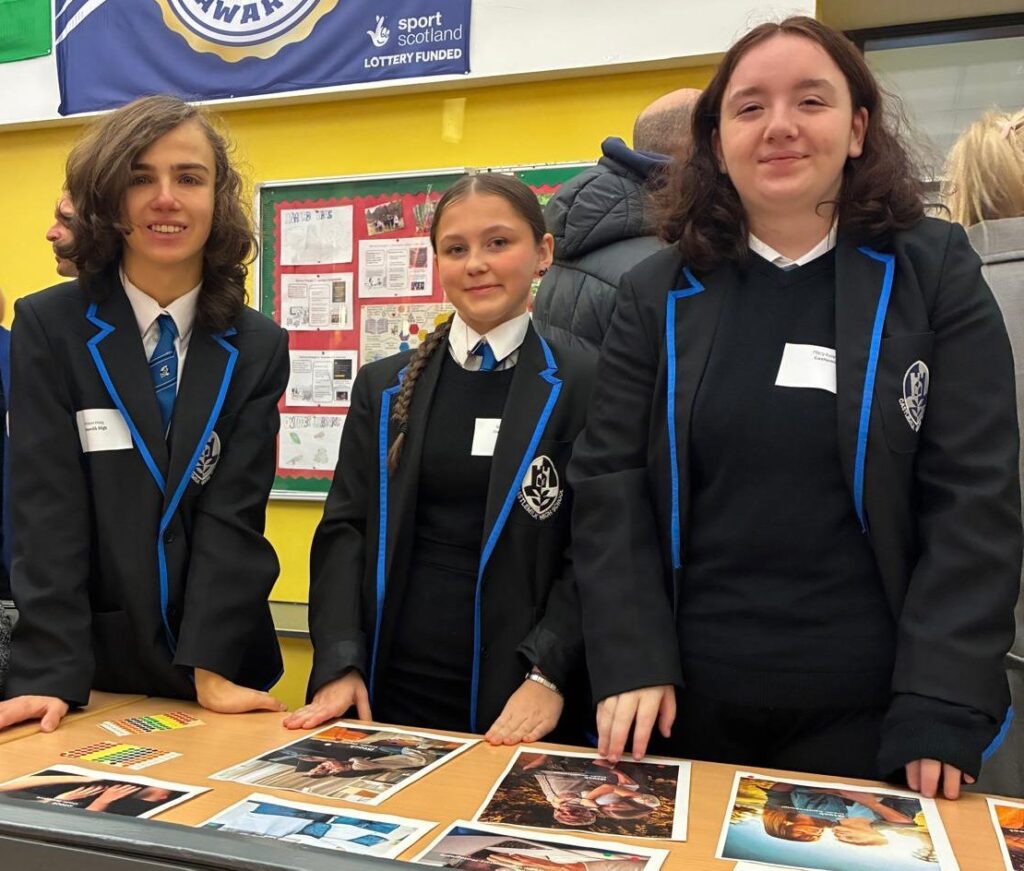
We didn’t just stick an SCQF diagram poster on the wall and call it a day. We’ve been deliberately working to build real understanding of what the Framework means – for staff, for pupils and for families.
Teachers have been getting involved in professional learning and departmental conversations. Pupils are introduced to SCQF levels through assemblies and PSE lessons, building their understanding from S1 right through to S6. And parents and carers? We’ve got them involved too, through information evenings and straightforward communications that actually make sense.
Because if everyone understands how qualifications connect and where they can lead, young people are better placed to own their own learning journey.
What Castlemilk High School pupils say
Don’t just take our word for it:
Understanding SCQF levels helped me see that my pathway was just as important as anyone else’s.
I didn’t realise how all my qualifications connected before. Now I can see where I’m going next.
Confidence doesn’t just come from passing exams – it comes from understanding where you’ve been and being able to picture where you’re headed.
A curriculum built for everyone
Our curriculum has evolved significantly. We’ve introduced new qualifications, created blended academic and vocational pathways, and built partnerships with colleges to open up even more routes for our young people. The goal is simple: flexibility. Because not every learner thrives on the same path, and that’s absolutely fine.
Opportunities are available in subjects as diverse as construction skills, barista, leadership, First Aid and refereeing at SCQF levels 5 to 7.
We also make sure achievements are visible: on our website, across social media and through the stories we tell about our pupils’ progress. If a young person has worked hard for something, the world should know about it.
What’s next
We’re not standing still. We’re committed to expanding staff leadership around SCQF, embedding its language even further into everyday school life and making sure pupil voice stays right at the heart of everything we do.
We’ve joined the Awards Aware Scheme, and we’ll be running staff CPD alongside our ambassadors to make sure that everyone – pupils and teachers alike – knows how to use the platform to explore alternative pathways and qualifications.
Our pupil Ambassadors achieved Bronze to Silver recognition in just a few months, and we’ve got our sights set on Gold in the SCQF School Ambassador programme in 2026-27.
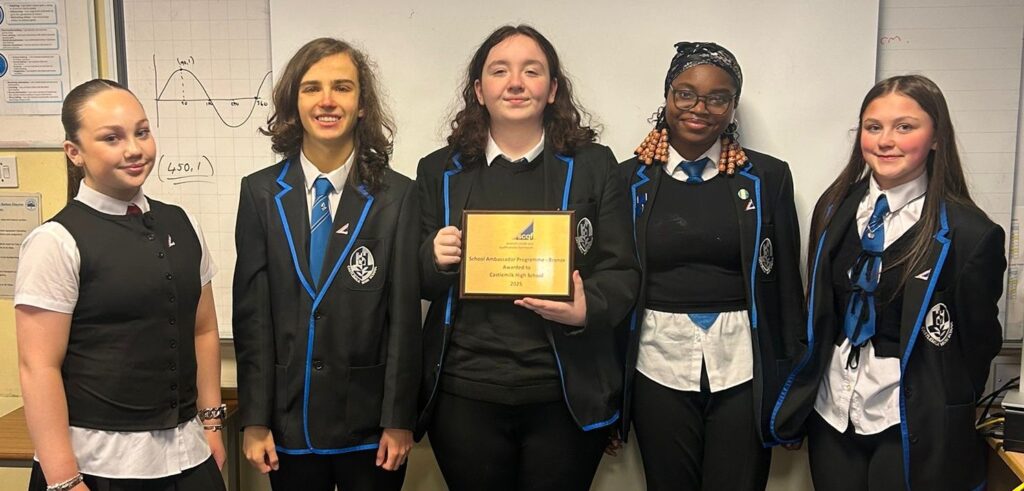
At Castlemilk High School, every young person deserves to leave with their head held high – knowing what they’ve achieved and excited about what comes next.
Watch our SCQF video at here.
Useful links
Find out what schools are involved in the SCQF Ambassador Recognition Programme
The SCQF Partnership is updating its database of consultants who may be interested in supporting our work on a project-by-project basis.
From time to time, we engage consultants with specialist knowledge and experience in areas relevant to the SCQF, including Recognition of Prior Learning (RPL) and other aspects of qualifications, learning and skills development.
If you would like to be considered for future opportunities, please complete and submit the form below to be added to our consultant database.
We will keep your details on file and contact you if a suitable opportunity arises. Please note that joining the database does not guarantee future work or create any obligation for the SCQF Partnership to engage your services.
Download Consultant Interest Form
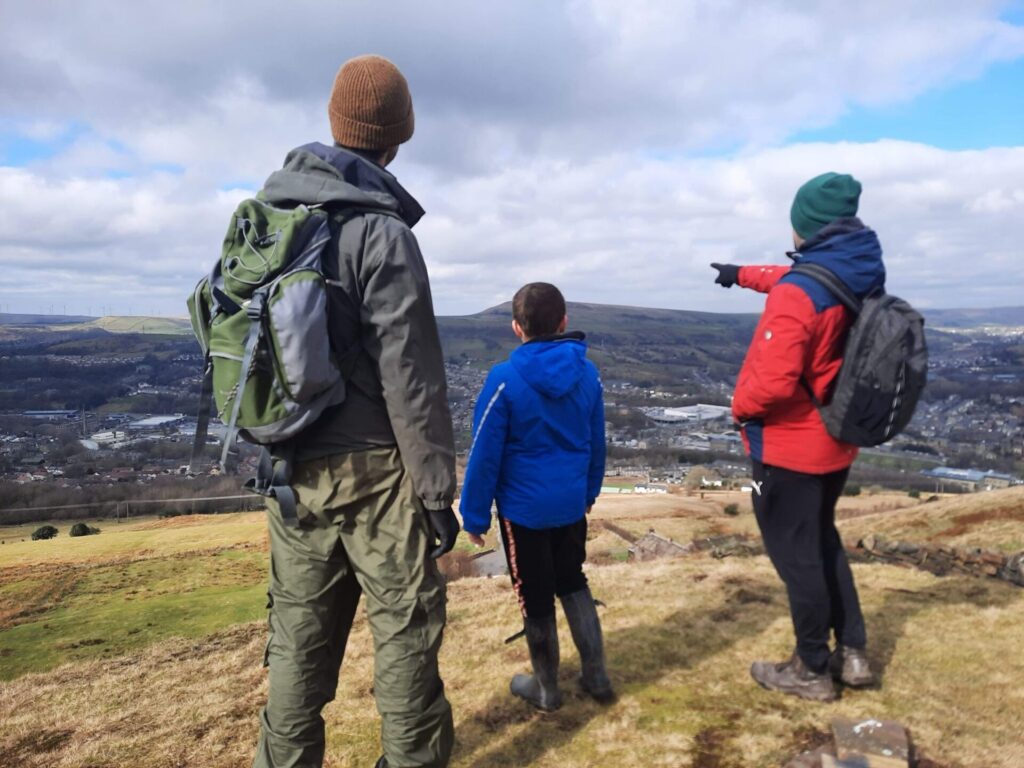
Therapeutic support doesn’t always happen indoors. It can happen around a campfire, on a woodland walk, or while climbing or paddling in a loch.
If you already work outdoors, you’ve probably seen how nature can help people build confidence, process emotions and engage in different ways. But understanding why those approaches work, and how to use them safely and ethically requires a different set of skills.
The Therapy Adventure believes in doing therapy differently.
They develop accredited qualifications for outdoor professionals who want to combine their existing practice with therapeutic knowledge.
Why create a qualification in Outdoor & Adventure Therapy?
Outdoor professionals are increasingly supporting children and adults experiencing anxiety, trauma, emotional regulation difficulties and other mental health challenges.
Until recently, there wasn’t a qualification that combined outdoor leadership with therapeutic knowledge. Outdoor qualifications focused on leading activities safely, while therapy qualifications rarely considered the outdoor environment.
The Certificate in Outdoor & Adventure Therapy was developed by Open Awards and The Therapy Adventure to bring those two disciplines together. It has been credit rated by Queen Margaret University at SCQF level 7, with 30 credit points, and is Ofqual regulated.
It’s given me the language and professional understanding to support so much of what I’ve always known intuitively through my own experiences outdoors. The sessions are fantastic, the content is incredibly in-depth and informative, and I’ve learned so much already. – Tinuke
Who is it for?
The qualification is designed for experienced outdoor practitioners, including forest school leaders, outdoor instructors and adventure practitioners. Our students work in schools, alternative provision, charities, businesses and community organisations.
Many learners already know outdoor practice works. They join the programme to understand the psychology behind it, develop their therapeutic knowledge and build confidence in delivering safe, ethical and evidence-informed support.
Being able to dig into each theory in more detail has been invaluable. Outdoor and adventure therapy is a space that is always adapting and I’ve experienced it as a welcoming and flexible space. – Becky
Why does SCQF credit rating matter?
The credit rating by Queen Margaret University means the qualification has been independently mapped against the Scottish Credit and Qualifications Framework (SCQF).
For learners, this offers assurance that the programme combines practical outdoor learning with academic rigour, including research, critical analysis and reflective practice.
It also helps employers, schools, councils and commissioners understand the level of learning completed and supports progression into further and higher education.
The course has made me look at my practice differently. I’m learning how to use varied client assessment methods to set values-based goals that make a positive difference to how I measure outcomes. – Lea
Looking ahead
Outdoor & Adventure Therapy continues to evolve as more organisations look for ways to support mental health and wellbeing beyond traditional settings.
By combining practical experience with research-informed teaching and independent academic recognition, the organisation is helping to develop practitioners who can deliver safe, ethical and evidence-informed therapeutic support wherever the outdoors becomes part of the therapeutic journey.
Useful links
Visit The Therapy Adventure website for more information.
Find out how to place a learning programme on the SCQF
Learn more about the third party credit rating service at Queen Margaret University