

As we celebrate 25 years of the SCQF during SCQF Week 2026, we’re sharing stories that show how learning can shape lives and careers in unexpected ways.
Anna Devitt’s journey is a powerful example. Twenty-five years ago, she left school aged 13 and believed her ambitions were out of reach. Now, she creates and delivers her own qualifications. Anna’s story demonstrates the importance of finding a learning route that works for you.
Twenty-five years ago, I was 13 and had just left mainstream education. At that point, I had absolutely no idea what my journey would look like, but I did have big aspirations. I wanted to be either a lawyer or a teacher.

The problem was that I already knew I wasn’t going to get the grades traditionally needed to follow either of those paths, so I assumed those careers were simply out of reach for me.
Looking back, I think that was the beginning of a theme that has followed me throughout my life: if the traditional route doesn’t work, find another way.
I had to find my own pathway into education, learning and ultimately my career. And I think that experience has shaped everything I’ve done since.
What changed?
I was honoured to be selected as the first ever Young Company Participant at the Citizens Theatre in Glasgow and the then Community Director Neil Packham, once said to me “Don’t tell me – show me” and that stuck with me for life, don’t tell people what you are going to do – SHOW THEM.
I’ve had so many incredible people come into my life, and my family have been hugely important in supporting me. I’ve also been incredibly lucky to meet people throughout my career who have opened doors, challenged my thinking and given me opportunities. There are far too many people to name them all.
But ultimately, I think the biggest impact came from making a decision to look at education differently.
I started talking to people who delivered education, training and learning in different ways. I sought out people who had built careers that didn’t necessarily follow the traditional tick-box route. I became fascinated by the idea that there isn’t just one way to learn, succeed or build a career. That willingness to ask questions, speak to people and find another route has stayed with me throughout my journey.
Education has come full circle
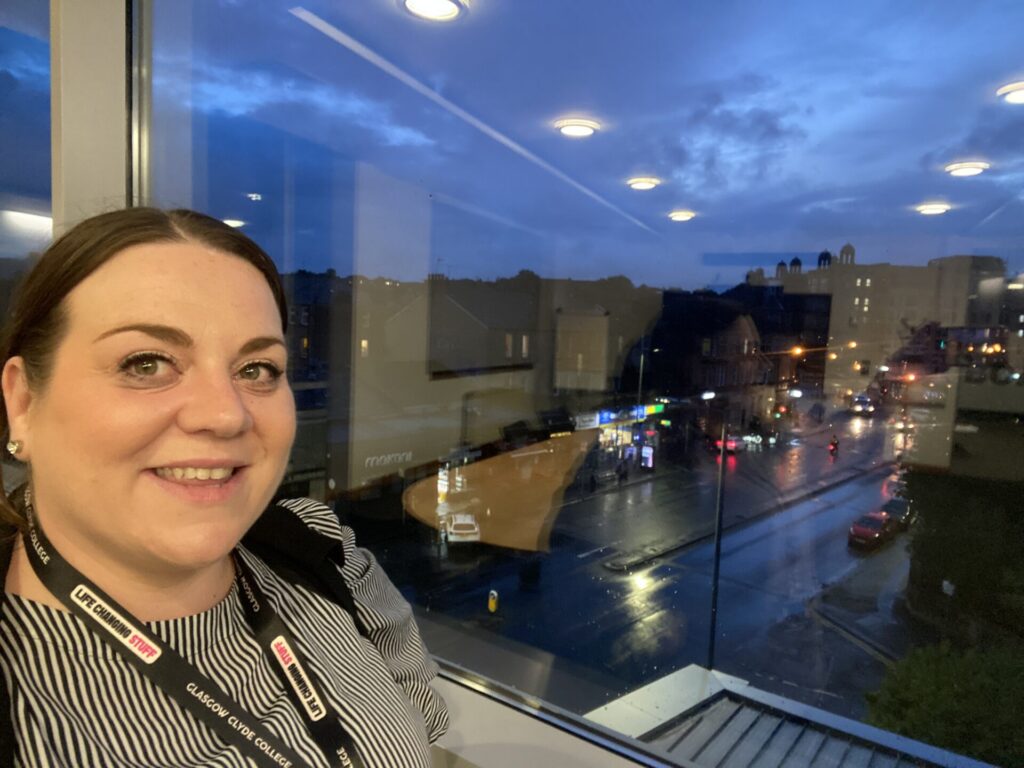
Education and learning have shaped my career massively. In many ways, education is my life.
I started by undertaking what was called alternative education while working in a law firm, because I wanted to improve my grades and create opportunities that I hadn’t thought were available to me. From there, I went to college and continued learning.
I’m now studying for my degree, with ambitions to hopefully go on to do a PhD but the really exciting part is that education has now come full circle for me. I don’t just participate in education – I create it.
I have devised, developed and now deliver my own qualifications, built around the SCQF, and I’m currently developing four more qualifications.
So the young girl who thought education wasn’t accessible to her is now someone who is actively contributing to the education system.
Twists and challenges
There have been so many unexpected twists and challenges along the way!
But if I’ve learned one thing, it’s to trust myself and never stop learning.
Sometimes that learning has come from books, qualifications and academia. But, just as often, it has come from life – from talking to people who know more than I do, listening to different perspectives, making mistakes and being willing to admit that I don’t have all the answers.
I’ve learned that you don’t always need to have the whole plan worked out.
Sometimes you just need to take the next step, ask the next question and be prepared to change direction.
And I’ve learned that challenges don’t necessarily have to be things that stop you. They can become the things that shape you.
Achievements along the way
I’ve been incredibly fortunate to receive awards and recognition for the work I’ve done, and I’m very proud of those achievements. But, honestly, the thing that makes me proudest is much more personal.
It’s when somebody who has completed one of my programmes comes back to me and tells me that it made a difference to their life. That’s the bit that matters.
Knowing that something I created has helped somebody feel more confident, understand themselves differently, believe in themselves or take their next step is incredibly rewarding.
I was also incredibly honoured this year to be invited to the King’s Buckingham Palace Garden Party, which was genuinely a breathtaking moment and something I never could have imagined when I was 13 and had just left mainstream education.
Standing there and thinking about the journey that had brought me to that moment was quite extraordinary.
Anna’s advice
If I could give one piece of advice it’s ‘be you’.
I think we get lost so often in life worrying about what we should do, how things should be done and what other people think we should become. I’d tell my younger self to trust herself a little bit more. You don’t have to follow somebody else’s path just because it’s the path everyone else is taking. Your way might look different. It might take longer. It might have a few more twists and turns. That’s okay.
You are allowed to create your own route.
Learning that’s right for you
I’m not sure whether my story will inspire everybody, but if there’s one thing I’d like people to take from it, it’s this:
We’re all on one journey – the journey called life.
Your understanding of yourself, your learning and the world around you is constantly changing. You meet people who challenge your thinking. You learn things you didn’t know. You see situations from different perspectives. You discover that something you once believed isn’t necessarily true. And that’s a wonderful thing. So, keep learning in whatever way feels right for you – there are loads of courses on the SCQF that are flexible and fun – try one!
Have you been inspired by Anna’s learning journey? Visit our support page for adults returning to education.
Twenty-five years ago, a career in nursing was far from Jon Wallace’s plan. After leaving school and starting work as a joiner, the idea of returning to education years later wasn’t on his mind.
But sometimes an unexpected moment can make you rethink where you’re heading.
As we celebrate 25 years of the SCQF during SCQF Week 2026, Jon reflects on the decision to change direction, the nerves that came with returning to the classroom as a mature student, and the journey that followed.
His story is a powerful reminder that your career path doesn’t have to be mapped out from the start – and that it’s never too late to take a different route.
Twenty-five years ago, I was working as a joiner, which I had been doing since I left school. At that point, I wouldn’t have imagined that my career would eventually take me into nursing.
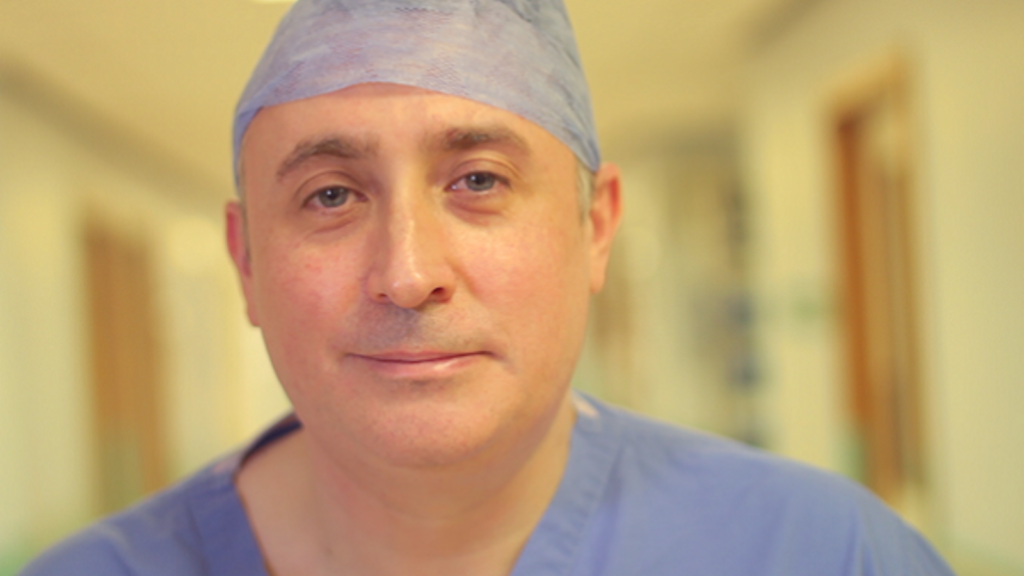
It was while I was receiving treatment for a serious knee injury that I started to think about changing direction. I realised I wanted to work in a caring profession, and that was when I decided to pursue a career in nursing.
At the age of 35, I returned to education through an Access to Nursing course with the Scottish Wider Access Programme. At the time, I knew very little about the SCQF, and going back into a classroom after 15 years in the workplace was daunting.
I remember worrying that I would be the oldest person in the class. However, once I started, I quickly realised that everyone was there for the same reason, and there really wasn’t anything to be nervous about.
A different route
My route into nursing was quite different from the traditional university route.
The Access course was an important stepping stone. It was at SCQF level 6, the same level as a Higher, and I achieved several qualifications that gave me the academic foundation and, most importantly, the confidence to take the next step.
From there, I gained entry to study Nursing at the University of the West of Scotland and graduated with my Nursing degree at SCQF level 9.
I would not be able to work in these specialist areas without the further study, training and qualifications. This includes completing NHS Education for Scotland’s Core Competencies for Anaesthetic Practitioners, as well as further competencies and qualifications in obstetric practice.
The confidence I developed by progressing through the SCQF levels, from level 6 to level 9, gave me the foundation and confidence to continue learning, develop my skills and progress both academically and professionally.
Going back into a classroom after 15 years in the workplace was daunting. At 35, I worried that I was too old and that I was starting from behind. Now, having turned 50 this year, I realise I wasn’t behind at all, I was simply taking a different route.
Jon’s journey
I gained entry to study Nursing at the University of the West of Scotland and graduated with my Nursing degree at SCQF Level 9.
Once qualified, I worked in orthopaedic theatres at Glasgow Royal Infirmary for six happy years. I was looking for a new challenge, so I left to work at the Queen Elizabeth University Hospital, a major trauma centre.
I now work predominantly in the emergency theatres as both an Anaesthetic Practitioner and a Scrub Practitioner, caring for patients at some of the most difficult and critical moments of their lives.
I have also developed further experience in obstetric anaesthetic practice through my work in the Maternity Unit.
‘It is never too late to make a change’
My advice to anyone considering an Access course, particularly as a mature student, is not to let your age or previous education hold you back.
You don’t have to follow the traditional route into university, and you don’t need to have your whole career planned before you start.
There is no set age or right time to return to education, change your career or follow your passion.
Sometimes, the hardest part is simply having the confidence to take that first step.
My journey has shown me that it really is never too late to make a change, continue learning and achieve something you may once have thought was out of reach.
It’s also particularly special to see my daughter beginning her own university journey at the University of Dundee, where she will be studying Law. I’m incredibly proud of her.
Have you been inspired by Jon’s learning journey? See how far learning can take you.
Watch Jon’s 2018 SCQF case study
What can 25 years of learning look like? For Terry McTernan, it’s a journey he could never have predicted.
As we celebrate 25 years of the SCQF during SCQF Week 2026, Terry reflects on where he was 25 years ago – and where learning has taken him since.
Twenty-five years ago, I was a Team Sales Manager in an outbound call centre, cold-calling customers of English water companies to sell insurance-based products.
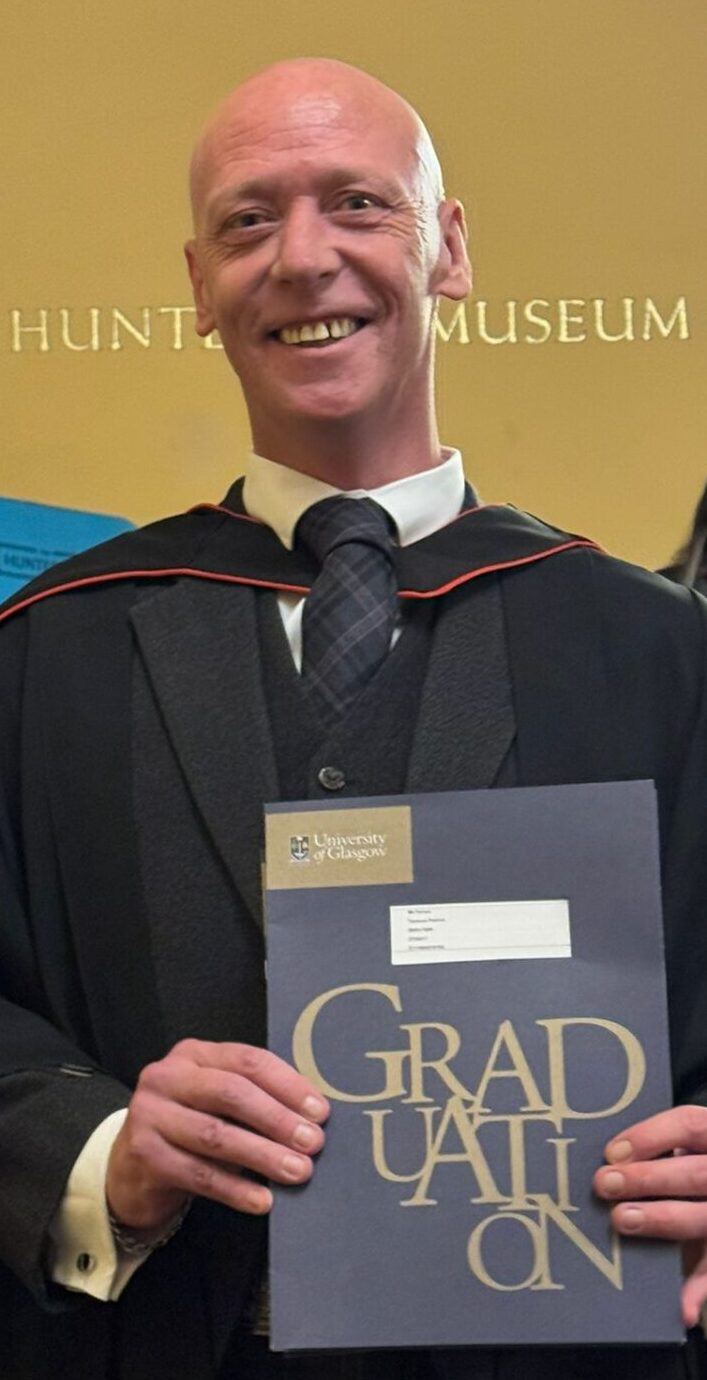
If you had told that version of me that 25 years later I would have graduated from the University of Glasgow with a First Class Honours degree and be preparing to return to study for a Master’s in Human Rights and International Politics, I suspect I would have laughed at you.
University simply wasn’t part of the plan. In truth, I’m not sure there really was a plan.
My experience of school hadn’t left me with a particularly positive relationship with formal education, and I certainly didn’t consider myself ‘academic’. Higher education felt like something that belonged to other people.
The journey between there and here has been anything but straightforward.
And perhaps that’s the point.
A false start
My first serious attempt to return to education, significantly, 25 years ago. It was an HNC in Working with Communities at Reid Kerr College.
On paper, it should have been perfect for me. By then, I was already heavily involved in community activism in Ferguslie Park, Paisley, so studying community work seemed like a natural progression.
In reality, the two collided.
My activism and my studies increasingly came into conflict and eventually there was a breakdown in communication between the head lecturer and me. I left the course without completing it.
That experience reinforced something I had probably believed since school: perhaps formal education simply wasn’t for me.
School hadn’t worked particularly well. College hadn’t worked particularly well. Maybe I had missed my opportunity.
So, for a while, I resigned myself to the idea that formal education had passed me by.
What I didn’t understand at the time was that I hadn’t stopped learning.
Quite the opposite.
I was learning constantly through community activism, through Darkwood Crew and through living and working alongside people in Ferguslie Park. I was learning about poverty, inequality, power, participation, bureaucracy, community organising and what happens when people decide they are no longer prepared to simply accept decisions being made on their behalf.
I just didn’t necessarily recognise any of that as education.
Trying again
In 2019, I decided to make another tentative enquiry about education, this time about an SCQF level 5 Community Achievement Award at Glasgow Kelvin College.
As part of that process, I was asked to develop a project proposal.
Something interesting happened.
Once I submitted it, it was recognised that I was perhaps more advanced than I had given myself credit for.
That moment mattered.
It began to challenge the assumption I had carried that because my previous experiences of formal education hadn’t worked out, I somehow wasn’t capable of succeeding within it.
Then, in 2020, another opportunity appeared.
I enrolled on the University of Glasgow’s Activate programme, a 10-week course delivered in the Tannahill Centre, in Paisley’s Ferguslie Park.
Three weeks in, the world shut down.
Covid arrived, lockdown followed and my 10-week course was suddenly suspended.
I then had to wait more than a year for the remainder of it to be delivered.
So, as far as I’m aware, I may be the only person in the world who has taken almost 15 months to complete a 10-week course.
If nothing else, my educational journey has taught me patience.
Completing Activate guaranteed me an interview for the University of Glasgow’s undergraduate Community Development degree.
I got the interview.
And then I got the place.
I was delighted.
I was also terrified.
Maybe I actually belong here
One of my biggest fears when I started university was that history would repeat itself.
My previous HNC had fallen apart partly because my community activism and formal studies seemed to compete with one another. By the time I entered university, my involvement in community action had grown considerably, particularly through Darkwood Crew.
I worried that eventually I would have to choose between the two.
Instead, something completely unexpected happened.
They complemented one another.
The community work I was doing gave life to the theory I was studying, while the theory gave me new ways of understanding what I was experiencing in practice.
Suddenly, concepts such as participation, power, dialogue, collective action and asset-based community development weren’t abstract ideas on a page.
I could see them happening around me.
Sometimes I could see what happened when they were absent too.
Imposter syndrome was certainly there, particularly in those early days. I was surrounded by people and institutions that I had never imagined myself alongside.
But I discovered something else: writing an essay becomes considerably easier when you’re genuinely invested in what you’re writing about.
I wasn’t simply reading about community development.
I was living it.
When your community becomes your classroom
That relationship between lived experience and academic learning became one of the defining features of my degree.
Eventually, it culminated in my Honours dissertation, where I researched community engagement and participation in Ferguslie Park and explored what motivates local people to become involved in their community, and what can prevent them from doing so.
There was something quite powerful about that.
Ferguslie Park is a community that has been researched, measured, categorised and described by outsiders for decades, usually through statistics about poverty and deprivation.
This time, somebody from the community was asking the questions.
Being an insider researcher brought challenges around bias, ethics and my relationship with participants, but it also strengthened a belief that has become increasingly important to me:
Communities aren’t simply places where knowledge is collected. Communities produce knowledge too.
My degree also took me considerably further from Ferguslie Park than I ever anticipated.
Through university, I had opportunities to travel to Belfast, Japan, India and Kentucky.
Those experiences exposed me to different communities, cultures, approaches and ways of thinking that I will cherish forever.
Yet, strangely, travelling thousands of miles also helped me understand my own community differently.
I could compare experiences, recognise common struggles and see how questions about inequality, participation, power and human rights connect communities that can appear very different on the surface.
The unexpected challenge of succeeding
Perhaps the strangest challenge came when I started doing well academically.
I had expected university to challenge me intellectually.
I hadn’t expected it to challenge my identity.
My voice had always been rooted strongly in being working class and in lived experience. As I progressed academically, I began to wonder whether gaining qualifications somehow threatened the authenticity of that voice.
Would people see me differently?
Was I becoming part of the professional and academic world that I had sometimes challenged?
Could I still speak authentically about inequality and working-class experience while accumulating letters after my name?
Eventually, I realised I was asking myself the wrong question.
Education didn’t have to take me away from my community.
It could give me additional tools to contribute to it.
I didn’t need to choose between activist and academic.
Increasingly, I’ve become comfortable with the idea of being an academic activist, bringing academic knowledge into community spaces while also bringing community knowledge into academic ones.
What am I most proud of?
Graduating from the University of Glasgow with First Class Honours is undoubtedly one of the proudest achievements of my life.
Not simply because of the classification.
It represented the dismantling of a story I had told myself for years about what I was capable of and whether education was a place where somebody like me belonged.
But I’m equally proud that education hasn’t required me to leave community practice behind.
Today, as Volunteer Coordinator at the New Tannahill Centre and through my continuing community involvement, I see learning happening every day in ways that aren’t always recognised as education.
I see people developing leadership skills through volunteering.
I see residents organising responses to problems rather than waiting for somebody else to solve them.
I see people managing budgets, organising events, negotiating with organisations, supporting neighbours, developing projects and transforming physical spaces.
Many would never describe themselves as students.
Some would never describe themselves as leaders.
Yet they are learning, leading and producing knowledge constantly.
Perhaps I recognise that now because, for many years, I was doing exactly the same thing without recognising it in myself.
What would I tell the person I was 25 years ago?
I think it would be this:
Don’t confuse not having qualifications with not having knowledge.
For too long, I understood education through a very narrow lens.
School. College. University. Certificates.
Those things matter enormously, but learning is much bigger than that.
We learn through employment, caring, volunteering, activism, relationships, failure, community involvement and simply navigating life.
Sometimes the biggest barrier isn’t an absence of ability.
It’s that nobody, including ourselves, has helped us recognise the abilities we already possess.
I’d also tell my younger self that there is no expiry date on education.
There isn’t a correct age by which you’re supposed to have worked everything out.
Your pathway can change.
You can take a wrong turn.
You can leave a course.
You can convince yourself education isn’t for you.
You can take almost 15 months to complete a 10-week programme because a global pandemic gets in the way.
And you can still eventually find yourself walking across a graduation stage.
A different pathway isn’t a lesser pathway.
Why recognising different learning pathways matters
That is why the 25th anniversary of the SCQF has particular meaning for me.
My own journey has made me passionate about recognising prior learning and challenging the assumption that meaningful learning only takes place through formal education.
When we recognise different forms of learning and achievement, we do something much more important than allocating a level or awarding credit.
We tell people:
- What you have learned matters.
- What you have experienced has value.
- You are not necessarily starting from zero.
My own experience in 2019 illustrates that perfectly.
I approached education thinking about an SCQF level 7 course. It took somebody looking at the work I was already capable of producing to recognise that perhaps I was further along than I realised.
For somebody who has spent years believing that university is “not for people like me”, moments like that can fundamentally alter what they believe is possible.
Recognition of Prior Learning matters because people’s lives don’t fit neatly into institutional pathways.
Knowledge isn’t only produced in lecture theatres.
Ability isn’t only demonstrated through examinations.
And someone’s previous experience of education shouldn’t determine the limits of their future.
Twenty-five years later…
This year, I begin another chapter, returning to the University of Glasgow to study for an MSc in Human Rights and International Politics.
Again, I’m not doing it because I want to collect another qualification for the sake of it.
The questions that began for me at community level have simply grown.
Questions about poverty led to questions about inequality.
Questions about participation led to questions about power.
Questions about power increasingly led me towards questions about rights, politics and the structures that determine whose voices are heard.

Twenty-five years ago, while managing a sales team in an outbound call centre, I could never have predicted any of this.
My route hasn’t been linear.
School wasn’t a particularly positive experience.
My first return to college ended badly.
I gave up on formal education.
I tried again.
A global pandemic interrupted that attempt.
I eventually made it to university.
Imposter syndrome followed me through the door.
And somehow, along the way, education took a working-class community activist from Ferguslie Park to Belfast, Japan, India and Kentucky and ultimately back home with an even greater appreciation of the knowledge that existed there all along.
If there is anything in my story that might inspire someone else, I hope it isn’t simply that I eventually got a First-Class Honours degree.
I hope it’s this:
Where you start doesn’t determine where you finish, and learning that happens outside a classroom is still learning.
Twenty-five years ago, I didn’t think education belonged to me.
It turns out I had been learning all along.
I just hadn’t learned to recognise it yet.
Have you been inspired by Terry’s learning journey? Visit our support page for adults returning to education.
What can 25 years of learning look like? For Victoria Finn, it has meant embracing new opportunities and continuing to learn at every stage of her career.
As we celebrate 25 years of the SCQF during SCQF Week 2026, Victoria reflects on the experiences that have shaped her learning journey and career in the past quarter-century.
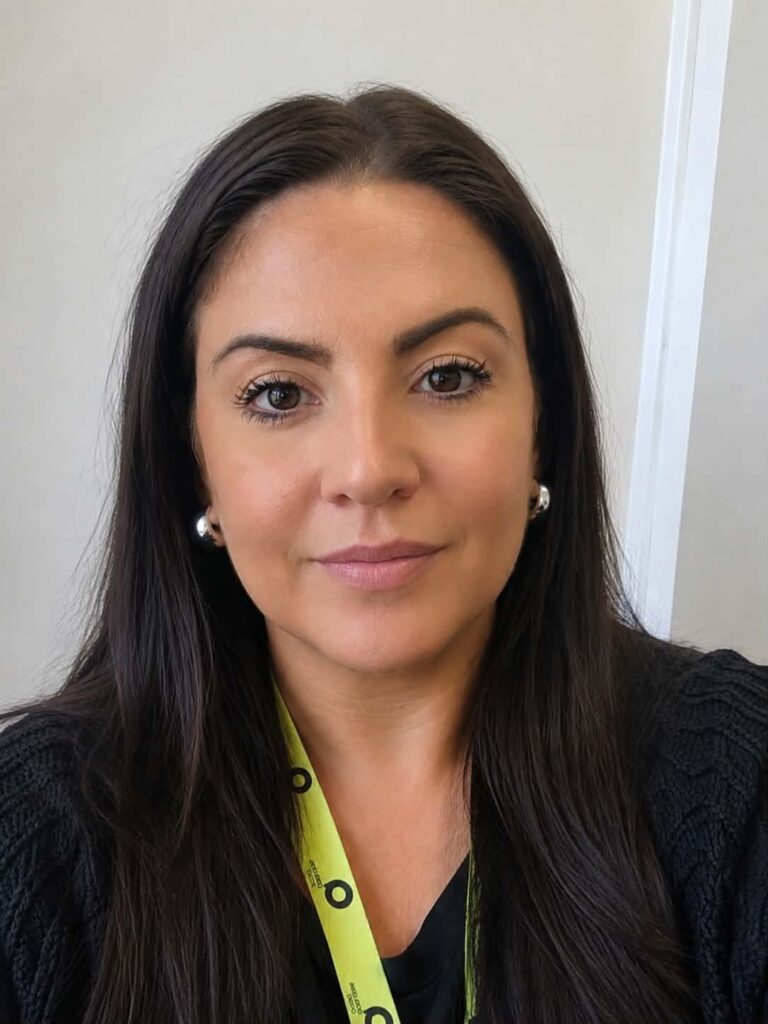
Life is just one big learning journey! Looking back over 25 years of lifelong learning, that is the lesson that stands out most.
From my school days through to my current role as Director of Learning and Development at Advice Direct Scotland, every stage of my career has been shaped by a commitment to developing new skills, gaining qualifications and embracing new opportunities.
Twenty-five years ago, I was preparing to start high school. In the years that followed, I went on to complete sixth year, achieving my Highers and Advanced Highers before taking a different path from many of my peers. Rather than going straight to college or university, I started a Modern Apprenticeship with one of the UK’s leading energy companies and completed an SVQ in Customer Service.
This was my first experience of ‘earning and learning’ – gaining practical workplace experience while achieving recognised qualifications and demonstrating that success can be achieved through many different routes.
Learning opened doors
My learning journey continued at college, where I achieved both a HNC in Administration and a HND in Business. These qualifications opened the door to a career in hospitality, culminating in my role as Spa Operations Manager at a five-star hotel in Glasgow.
Alongside my professional responsibilities, I remained committed to continuous development, achieving SVQs in Hospitality, Hospitality Supervision, Management and Assessing, further strengthening my skills and supporting my career progression.
A few years later, I took on the challenge of studying at university while working full-time. That commitment paid off when I graduated with a First-Class Honours Degree in International Business and Human Resource Management.
After obtaining my degree, I joined Advice Direct Scotland, where I am now Director of Learning and Development. Since joining in June 2021, I have continued to invest in my professional development, achieving several SCQF credit-rated qualifications.
A qualification for every year
I am incredibly proud that I have continued to learn and gain qualifications throughout my career. In fact, I have achieved at least one formal qualification every year since leaving school – with one very understandable exception when I gave birth to my beautiful son, which was a life-changing learning experience unlike any qualification could ever provide.
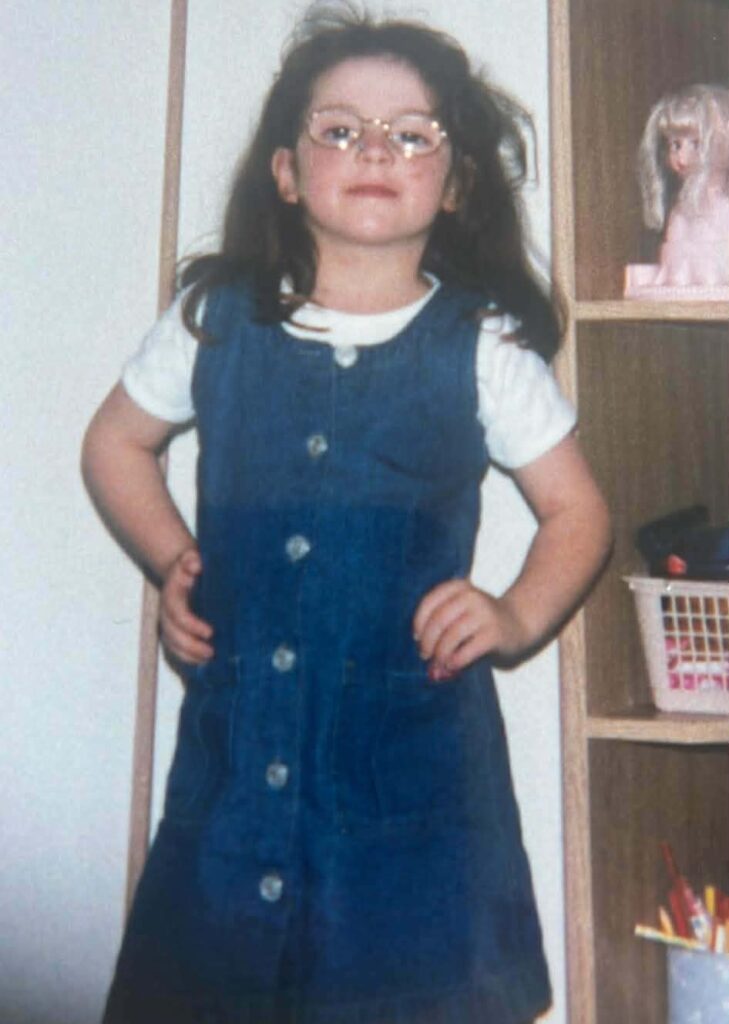
Throughout my career, qualifications have never been about collecting certificates. For me, learning builds confidence, creates opportunities and helps people recognise the value of their skills and experience. The SCQF’s focus on progression and lifelong learning mirrors my own experience of how education can transform careers and lives.
One of the most rewarding aspects of my career has been creating opportunities for others through workforce development. At Advice Direct Scotland, I helped establish the organisation as an accredited Qualifications Scotland centre, enabling the delivery of SCQF credit-rated qualifications across the advice sector.
Helping others achieve
I have also had the privilege of authoring Scotland’s first Qualifications Scotland accredited awards in Money and Debt Advice, and Energy Advice, Support and Sustainability, both at SCQF level 7.
These pioneering programmes have enabled hundreds of advisers across Scotland to achieve nationally recognised qualifications and progress their professional development.
What makes me most proud, however, is their wider impact. The advisers who complete these programmes go on to help thousands of people facing financial hardship, debt, energy challenges and other complex circumstances in communities across Scotland.
Seeing learning translated into better outcomes for individuals and families reinforces my belief in the power of workforce development to strengthen services, build resilience and create lasting positive change.
The importance of each step
When I reflect on my journey from school and apprenticeships to college, university and professional qualifications, I can see how each step created new opportunities and shaped the person and professional I am today.
I am living proof that learning is never confined to a classroom or a particular stage of life. It is a lifelong journey – one that continues to open doors, create opportunities and transform lives.
Have you been inspired by Victoria’s learning journey? Visit our support page for adults returning to education.
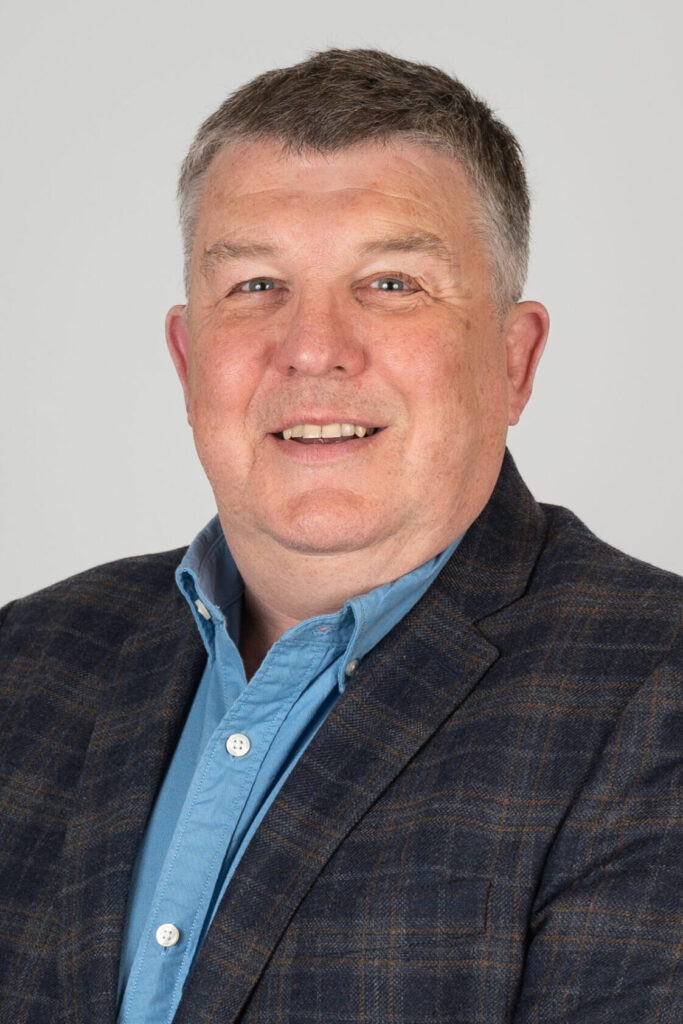
As we begin SCQF Week 2026 and celebrate 25 years of the Scottish Credit and Qualifications Framework, we’re reflecting on how much learning, work and careers have changed since 2001.
In this blog, John Evans, chair of the SCQF Partnership Board, looks back at where he was 25 years ago and considers what those changes can teach us about the future of learning and skills – and the role the SCQF can play in helping Scotland prepare for what comes next.
Where were you 25 years ago?
It’s a simple question, but one that can take us back to a very different time.
Perhaps you were at school, starting your first job, studying, beginning a new career – or simply figuring out what’s next. Whatever you were doing in 2001, it’s unlikely that you could have predicted quite how much the world of learning and work would change over the next 25 years.
SCQF Week 2026
As we open SCQF Week 2026, which runs from September 21 to 25, that question feels particularly appropriate.
This year marks 25 years of the Scottish Credit and Qualifications Framework (SCQF) – 25 years of helping people understand the level and value of learning, wherever and whenever that learning has taken place.
It is a significant milestone, but it is also much more than an anniversary. It is a chance to reflect on how far Scotland’s education and skills landscape has come, the difference the SCQF has made, and what we need from it over the next 25 years.
When the SCQF was introduced in 2001, the educational landscape looked very different. The internet was gradually becoming part of everyday life, but smartphones, social media, online learning platforms and artificial intelligence were still years away from transforming the way we communicate, learn and work.
Since then – and throw in a pandemic – Scotland has seen enormous changes in education and skills.
Where was I 25 years ago?
When I look back to where I was 25 years ago, my life was very different from what it is today. I was working for a global organisation as a divisional HR director and my first son had just arrived. I was learning rapidly on all fronts!
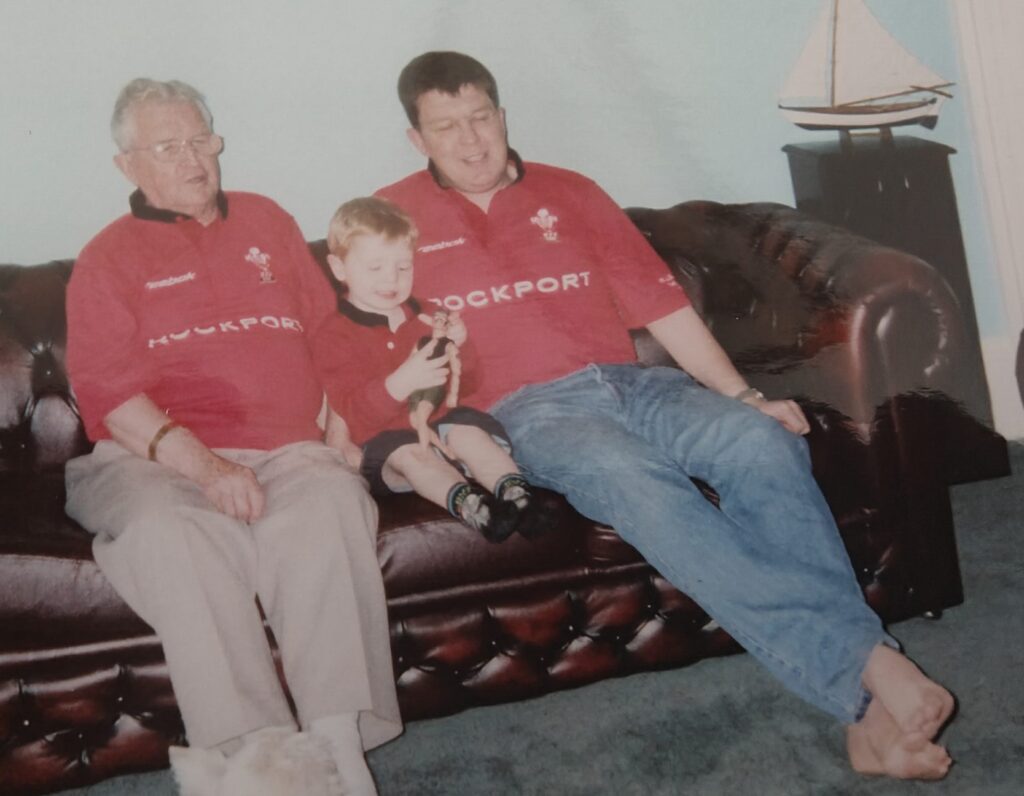
Education and learning was siloed in so many ways – not just in schools and colleges but in the workplace too. Mobility between departments and functions was not easy. However, I worked with a trade union leader who was very focused on employability and skills for life and we worked hard to help our people build sustainable careers, regardless of whether that was with us or elsewhere.
I learned skills that I’ve used in HR and elsewhere. I’ve had to brush up technical skills in recent years and the softer skills of leadership, communication and problem solving never leave you … but can always be improved!
And I suspect that is true for many of us.
The qualifications we gained, the skills we developed, the opportunities we took and the experiences we had have all helped shape where we are today. Learning is rarely a straight line, and increasingly, neither are our careers.
What does the future hold for educaiton?
So, if our lives and the world around us can change so dramatically in 25 years, what does that mean for the way we think about learning, skills and qualifications?
That is one of the questions we will explore during SCQF@25, our 25th anniversary conference at Glasgow Science Centre on Tuesday, 22 September.
Bringing together people from across education, skills, industry and beyond, the conference will look at the SCQF’s past, present and future. We’ll reflect on how the Framework has developed and the contribution it has made over the past quarter of a century, but we’ll also look beyond the anniversary and ask what Scotland needs from its qualifications and skills landscape in the years ahead.
How do we make sure that learning is recognised, wherever it happens?
How do we help people understand the skills and knowledge they already have?
And how do we ensure that qualifications and learning continue to open doors?
These are not simply questions for education providers or policymakers. They affect all of us – individuals making decisions about our futures, employers looking for skills, and organisations working to create opportunities for people to learn and progress.
Making sense of the big questions
The SCQF has always had a role in helping make sense of this complexity. By providing a common framework for understanding qualifications and learning, it has helped people see how different forms of learning relate to one another and, importantly, recognise the value of learning beyond traditional routes.
But a 25th anniversary should not simply be about looking back at what has been achieved. It should also prompt us to think differently about what comes next.
During SCQF Week 2026, we’ll be doing just that. Alongside celebrating 25 years of the Framework, we’ll be sharing stories from people across Scotland about where they were 25 years ago and how their own learning and careers have evolved since then.
Where you were you 25 years ago?
I hope these stories will prompt you to think about your own journey. Where were you in 2001? What have you learned since then? And, perhaps most importantly, what might you be doing 25 years from now?
Because, if the last 25 years have taught us anything, it is that we cannot predict what the future of learning will look like.
What we can do is make sure that Scotland is ready for it – with a learning and skills system that recognises people’s achievements, supports them to keep learning and gives everyone the opportunity to build on what they already know.
Join us in celebrating SCQF Week 2026 – find out how you can get involved here.

As we celebrate 25 years of the SCQF, we’re delighted to share a guest blog from the Scottish Funding Council, a long-standing partner of the SCQF Partnership.
Erica Russell-Hensens reflects on how the SCQF helps make Scotland’s learning system more connected and easier to navigate – supporting clearer pathways, recognition of prior learning and progression for learners.
For 25 years, the Scottish Credit and Qualifications Framework (SCQF) has helped make learning in Scotland easier to understand.

From the Scottish Funding Council’s (SFC) point of view, that matters.
A clearer, connected, system helps learners move through education with more confidence, and helps institutions and employers understand how different routes connect.
The SCQF gives learners, advisers, employers, schools, colleges and universities a shared language for Scotland’s qualifications. This supports a system where pathways are clear, prior learning is recognised, and students are not left to map out the system on their own.
It also gives employers a way to understand the learning people bring with them.
Making routes easier to navigate
Learners do not experience education in neat institutional boxes. They move between school, college, university, work-based learning and employment and back again often over many years. The SCQF helps make those routes easier to navigate.
That is particularly important for the recognition of prior learning. Students should not have to repeat learning unnecessarily, or lose the value of what they have already achieved because they move between institutions, routes or jobs. For SFC, this is part of making the system fairer, more transparent and easier to access.
There is also a direct link to Scotland’s Tertiary Quality Enhancement Framework (TQEF) – our collective approach to quality assurance and enhancement for colleges and universities. The SCQF helps keep attention on the building blocks of programmes and courses and recognition of prior learning, ensuring the system works for learners.
A qualifications framework does not remove every barrier, but it can make learning more portable, progress more transparent, and choices easier to explain.
The power of partnership
One of the real strengths of the SCQF is that it has been built through partnership. It works because schools, colleges, universities, training providers, employers and others use it in practice.
As the SCQF marks its 25th anniversary, it is right to recognise the work of the SCQF Partnership and the contribution it has made to Scotland’s learning landscape. The recognition that this approach has gained internationally over this time speaks to its value too.
SFC has been an investor in, and partner of, the SCQF Partnership from the outset. Their work supports a more coherent tertiary system, with learners better able to understand where they are, where they can go, and how their learning is recognised along the way.
That is a strong legacy, and a strong foundation for what comes next. Happy 25th anniversary to the SCQF!
As we celebrate 25 years of the SCQF, we’re delighted to share a guest blog from Tigers, who are also marking 25 years.
In Beyond the Certificate, Tigers reflects on its journey alongside Scotland’s changing qualifications landscape, and how qualifications, relationships and partnerships can help learners recognise their achievements and see what comes next.
We’re pleased to welcome Tigers as a sponsor of our SCQF@25 Conference on 22 September.
For 25 years, Tigers has believed that meaningful relationships create meaningful learning.

As Scotland celebrates 25 years of the Scottish Credit and Qualifications Framework (SCQF), our own 25-year journey provides a powerful example of how qualifications can transform lives when they are delivered through trusted relationships, strong partnerships and a genuine belief in people’s potential.
That belief has developed into what we now describe as Relationship-Led Practice. Our understanding that people are more able to learn, develop and thrive when they feel safe, supported, valued and believed in.
Empowering young people and adults
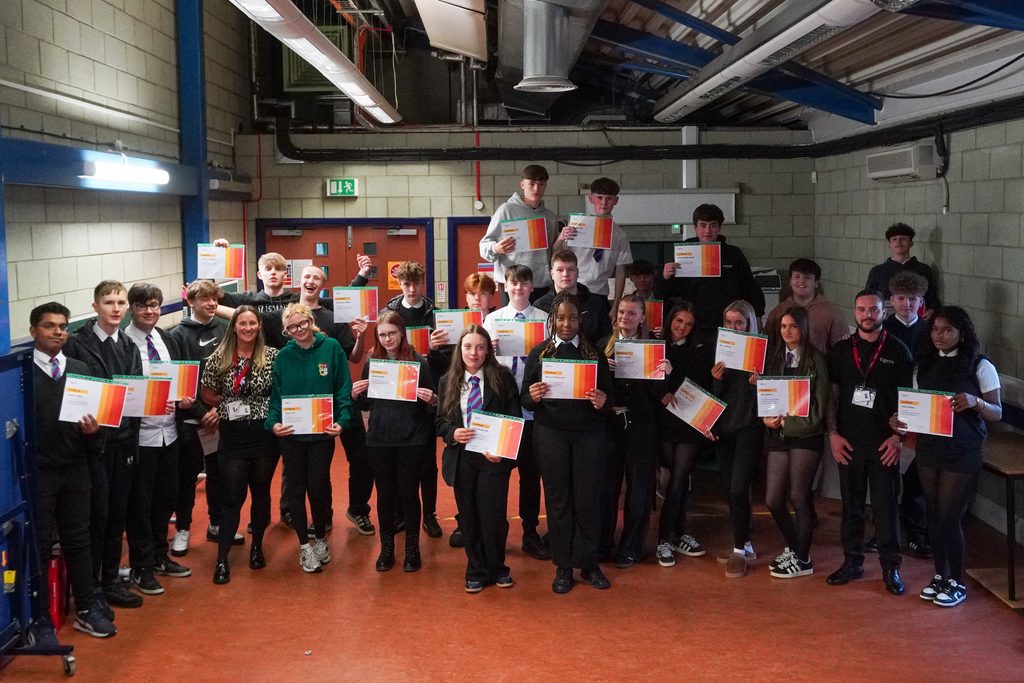
Since our beginnings in 2001, Tigers has supported thousands of young people and adults to develop skills, gain nationally recognised qualifications and progress towards employment and career opportunities.
Throughout that journey, our work has evolved alongside Scotland’s changing qualifications and skills landscape, including our long-standing relationship with SQA, now Qualifications Scotland.
Our commitment to quality qualification delivery is fundamental to who we are.
As an accredited training organisation, Tigers has developed the expertise, systems and relationships required to deliver a broad range of recognised vocational qualifications and apprenticeship programmes.
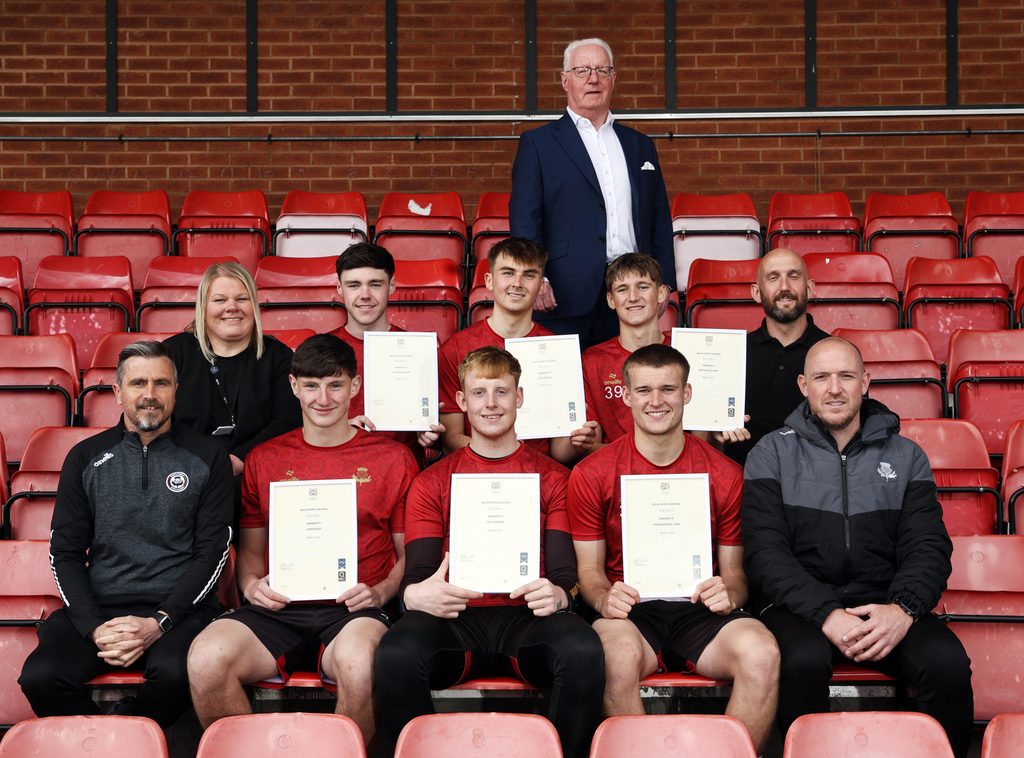
This includes qualifications delivered across SCQF levels, helping learners understand not only what they have achieved, but where that achievement can take them next.
Foundation Apprenticeships
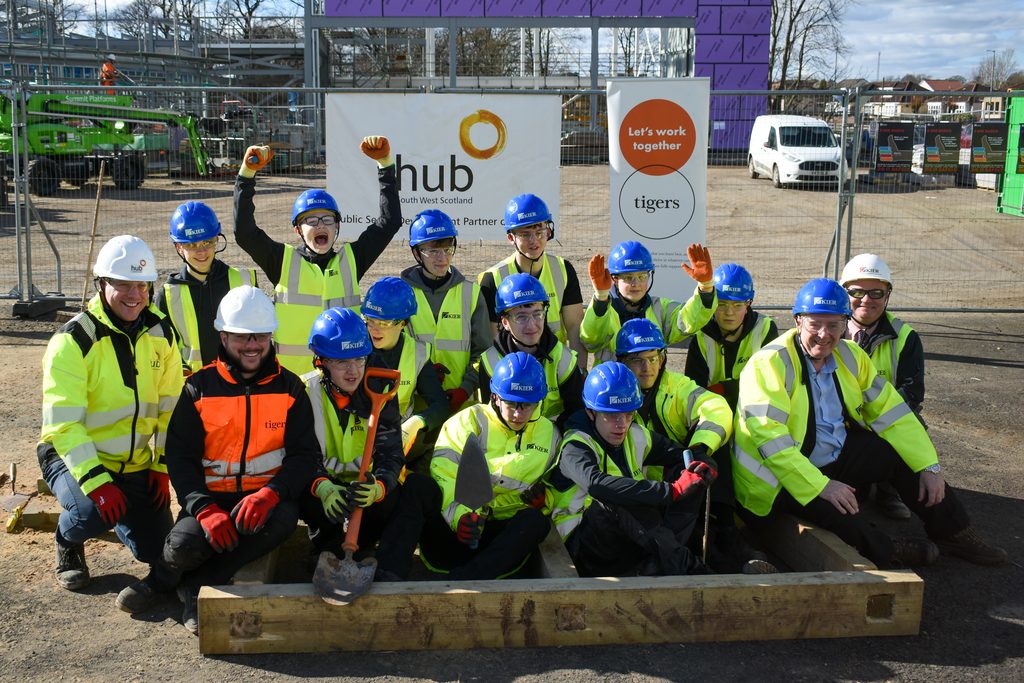
Our Foundation Apprenticeship provision demonstrates this in practice. Working in partnership with local authorities, schools and employers, Tigers provides young people with opportunities to gain industry experience alongside nationally recognised qualifications, including programmes at SCQF levels 4 to 6.
For many learners, this is their first experience of vocational education and the workplace, and can provide a valuable bridge between school, further learning and employment.
Every level can represent something different: confidence gained, capability recognised, progression achieved or a new opportunity opened.
Modern Apprenticeships
For those who continue their learning journey, our Modern Apprenticeship provision provides opportunities across SCQF levels 6 to 10.
Learners can develop from initial vocational achievement through to advanced professional and leadership qualifications, demonstrating that education does not stop when someone leaves school.
Learning can, and should, continue throughout a person’s working life.
Our recent delivery at SCQF level 10 is an example of this progression in action. Work-based qualifications at this level recognise advanced knowledge, professional judgement and leadership capability, demonstrating the breadth of opportunity available through vocational learning.
Much more than qualifications
But qualifications alone do not create successful outcomes.
People do. Relationships do. Partnerships do.
We work collaboratively with employers, schools, local authorities, Skills Development Scotland, Qualifications Scotland, colleges, sector organisations and community partners. These relationships enable us to understand the needs of learners and employers and to create programmes that connect qualifications with real-world opportunity.
Our partnerships have also enabled us to deliver qualifications at significant scale. Recent quality assurance activity recognised the strength and consistency of our qualification delivery, with more than 500 live candidates and over 1,000 candidates certificated during a single contract year.
Yet the numbers only tell part of the story.
Behind every certificate is a person who has achieved something. A young person who has gained confidence. An apprentice who has developed new skills. An employee who has progressed into a more senior role. An employer who has invested in its workforce. A learner who may once have believed that qualifications were beyond their reach, but now has the confidence to ask, what can I achieve next?
Changing lives
Our journey has demonstrated that vocational education can change lives, strengthen businesses and contribute to Scotland’s wider skills ambitions.
As both Tigers and the SCQF celebrate 25 years, we are proud to reflect on what has been achieved, but even more interested in what comes next.
Our ambition remains unchanged: to create learning pathways where every learner can see a future beyond their current achievement.
Because a qualification should never be the end of the journey. It should be the beginning of what comes next. Another opportunity to inspire and support people to develop their infinite potential.
The Scottish Credit and Qualifications Framework (SCQF) Partnership has announced an inspiring line-up of speakers and workshop hosts for its flagship SCQF@25 Conference, taking place at the Glasgow Science Centre on 22 September.
The conference marks the 25th anniversary of the SCQF – Scotland’s national qualifications framework – which has been helping learners, employers and educators understand and compare qualifications and learning achievements since 2001.
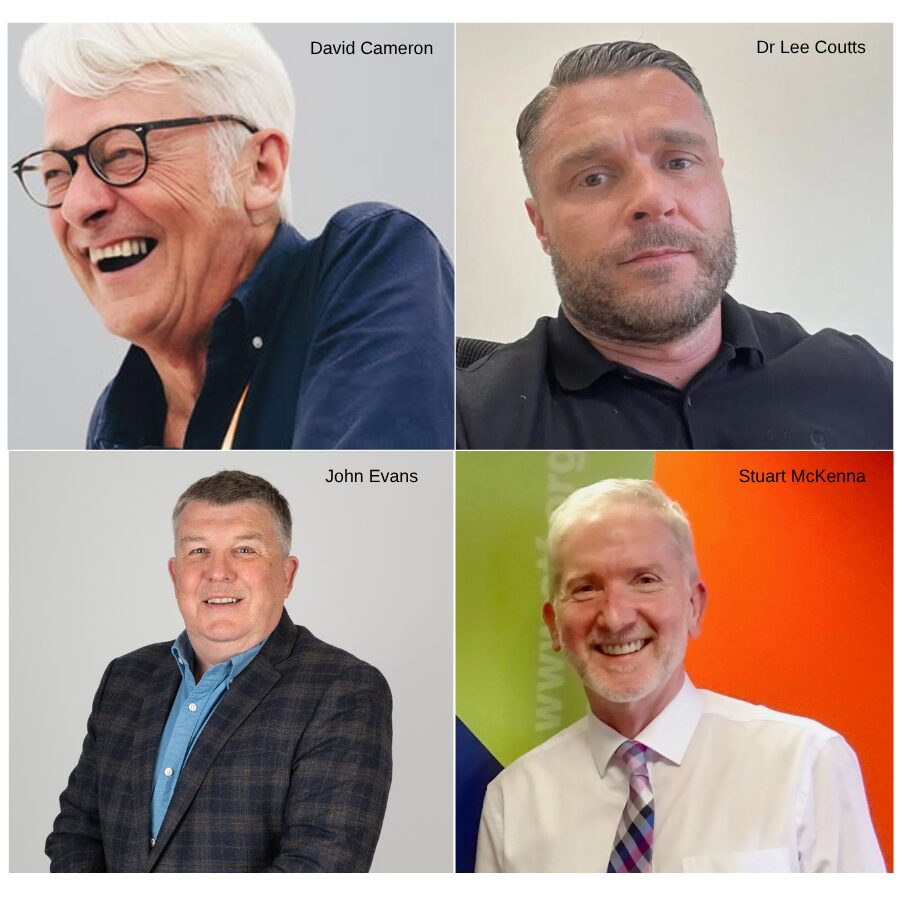
Hosted by Stuart McKenna, Chief Executive of the Scottish Training Federation, the event will bring together leaders from education, skills and industry to reflect on the Framework’s impact over the past quarter century and explore its role in shaping Scotland’s future skills and education landscape.
SCQF@25 keynote speakers
Among the keynote speakers is The Real David Cameron, an experienced mentor and consultant whose insightful perspective on education promises to provide delegates with fresh inspiration.
The conference will also hear from Dr Lee Coutts, Head Teacher of Ullapool High School, whose personal and professional journey exemplifies the transformative power of lifelong learning.
SCQF@25 workshops and hosts
Delegates will have the opportunity to participate in a series of interactive workshops exploring some of the key challenges and opportunities facing Scotland’s education and skills system:
- Bridging the attainment gap with the SCQF, hosted by Dr Lee Coutts and John McGhee, Director of Education at Glasgow City Council.
- Addressing skills gaps through apprenticeships, hosted by Rohaise Rose-Bristow, business owner and co-chair of the Apprenticeship Approvals Group, Michael Cusack, Chief Sustainability Officer at ACS Clothing and Tommy Breslin, Director of Scottish Union Learning.
- Exploring Recognition of Prior Learning, hosted by Peter McGuire, Senior Lecturer at the University of the West of Scotland and Ross Short, Head of Fleet Capability at Babcock International.
- How to get your qualification on the SCQF with third-party credit rating, hosted by Iain Hawker, Assistant Principal at Fife College, and Julie Wales, Head of Sector at Glasgow Clyde College.
The conference will conclude with a panel discussion featuring experts from across education, skills and industry, who will reflect on the future of qualifications, learning and workforce development in Scotland.
‘An opportunity to reflect’
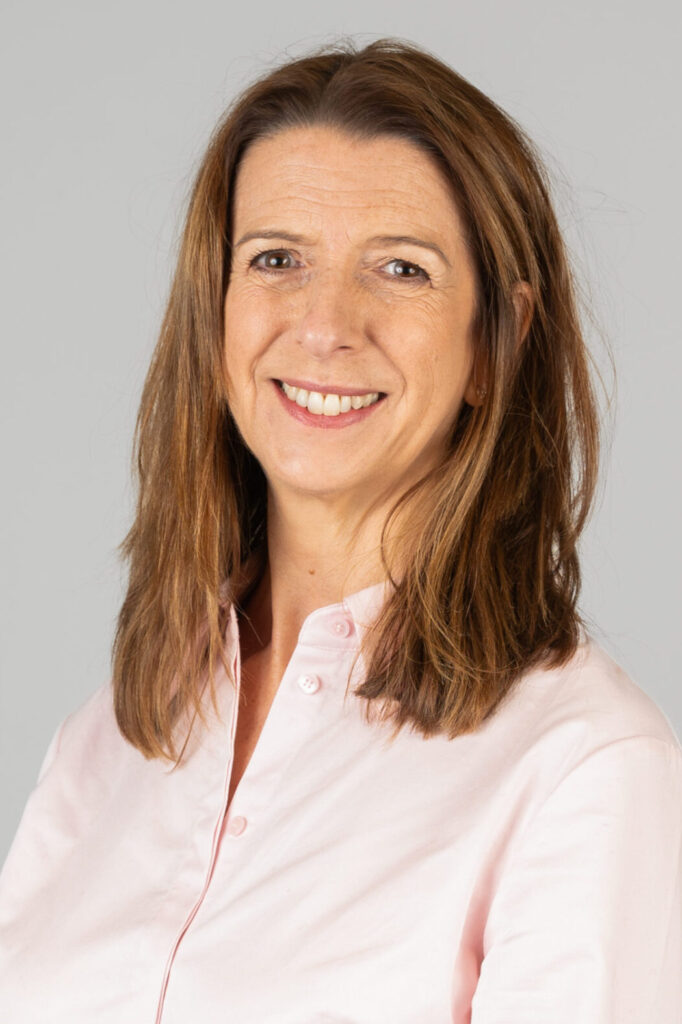
Marissa Lippiatt, interim chief executive of the SCQF Partnership, pictured right, said: “As we celebrate 25 years of the SCQF, this conference provides an opportunity to reflect on the significant impact the Framework has had on Scotland’s education and skills landscape.
“We are delighted to welcome such an inspiring group of speakers and workshop hosts who will help us explore how qualifications, skills and lifelong learning can continue to support individuals and communities for the next 25 years and beyond.”
The SCQF@25 Conference is expected to attract representatives from schools, colleges, universities, employers, professional bodies, training providers and government organisations from across Scotland.
Secure your @SCQF25 place
To book your ticket, visit SCQFP 25th Anniversary Conference 2026 REGISTRATION PORTAL
For more information, email conference@scqf.org.uk
Sponsor SCQF@25
Showcase your organisation at SCQF@25. A range of sponsorship opportunities are available, offering valuable exposure and networking opportunities. View our sponsorship brochure for full details.